|
|
| (67 intermediate revisions by 2 users not shown) |
| Line 1: |
Line 1: |
| | =2019= | | =2019= |
| − | ==November== | + | ==[[Covid November 2019|November]]== |
| − | === 17 November ===
| |
| | A confirmed case of the novel coronavirus emerged on 17 November 2019, according to 13 March 2020 reports of official Chinese government sources,<ref name="original_report">[https://www.scmp.com/news/china/society/article/3074991/coronavirus-chinas-first-confirmed-covid-19-case-traced-back China’s first confirmed Covid-19 case traced back to November 17. South China Morning Post. Josephine Ma. Published: 8:00am, 13 Mar, 2020]</ref> but was not recognized at that time. There may have been earlier patients; the search for them continues.<ref name="msn.com">The first COVID-19 case originated on November 17, according to Chinese officials searching for 'Patient Zero'. [https://www.msn.com/en-us/news/world/the-first-covid-19-case-originated-on-november-17-according-to-chinese-officials-searching-for-patient-zero/ar-BB119fWJ Business Insider. Isaac Scher 3/13/2020.] </ref><ref name="theguardian.com">Davidson, Helen (13 March 2020).|First Covid-19 case happened in November, China government records show – report. [https://www.theguardian.com/world/2020/mar/13/first-covid-19-case-happened-in-november-china-government-records-show-repor The Guardian. ISSN 0261-3077]. Retrieved 15 March 2020.</ref><ref name="newsweek.com">Walker, James (14 March 2020). China Traces Coronavirus to First Confirmed Case, Nearly Identifying 'Patient Zero'. [https://www.newsweek.com/china-traces-coronavirus-back-first-confirmed-patient-zero-1492327 Newsweek]. Retrieved 14 March 2020.</ref> | | A confirmed case of the novel coronavirus emerged on 17 November 2019, according to 13 March 2020 reports of official Chinese government sources,<ref name="original_report">[https://www.scmp.com/news/china/society/article/3074991/coronavirus-chinas-first-confirmed-covid-19-case-traced-back China’s first confirmed Covid-19 case traced back to November 17. South China Morning Post. Josephine Ma. Published: 8:00am, 13 Mar, 2020]</ref> but was not recognized at that time. There may have been earlier patients; the search for them continues.<ref name="msn.com">The first COVID-19 case originated on November 17, according to Chinese officials searching for 'Patient Zero'. [https://www.msn.com/en-us/news/world/the-first-covid-19-case-originated-on-november-17-according-to-chinese-officials-searching-for-patient-zero/ar-BB119fWJ Business Insider. Isaac Scher 3/13/2020.] </ref><ref name="theguardian.com">Davidson, Helen (13 March 2020).|First Covid-19 case happened in November, China government records show – report. [https://www.theguardian.com/world/2020/mar/13/first-covid-19-case-happened-in-november-china-government-records-show-repor The Guardian. ISSN 0261-3077]. Retrieved 15 March 2020.</ref><ref name="newsweek.com">Walker, James (14 March 2020). China Traces Coronavirus to First Confirmed Case, Nearly Identifying 'Patient Zero'. [https://www.newsweek.com/china-traces-coronavirus-back-first-confirmed-patient-zero-1492327 Newsweek]. Retrieved 14 March 2020.</ref> |
| | | | |
| − | ==December== | + | ==[[Covid December 2019|December]] 27 Cases== |
| − | ===1 December===
| |
| | The first known patient started experiencing symptoms on 1 December 2019. He had not been to the Huanan Seafood Wholesale Market of Wuhan. No epidemiological link could be found between this case and later cases.<ref name="auto1">Wuhan seafood market may not be source of novel virus spreading globally. [https://www.sciencemag.org/news/2020/01/wuhan-seafood-market-may-not-be-source-novel-virus-spreading-globally# Science. By Jon Cohen. Jan. 26, 2020 , 11:25 PM]</ref><ref> Who is 'patient zero' in the coronavirus outbreak? BBC. [https://www.bbc.com/future/article/20200221-coronavirus-the-harmful-hunt-for-covid-19s-patient-zero By Fernando Duarte 24th February 2020]</ref> | | The first known patient started experiencing symptoms on 1 December 2019. He had not been to the Huanan Seafood Wholesale Market of Wuhan. No epidemiological link could be found between this case and later cases.<ref name="auto1">Wuhan seafood market may not be source of novel virus spreading globally. [https://www.sciencemag.org/news/2020/01/wuhan-seafood-market-may-not-be-source-novel-virus-spreading-globally# Science. By Jon Cohen. Jan. 26, 2020 , 11:25 PM]</ref><ref> Who is 'patient zero' in the coronavirus outbreak? BBC. [https://www.bbc.com/future/article/20200221-coronavirus-the-harmful-hunt-for-covid-19s-patient-zero By Fernando Duarte 24th February 2020]</ref> |
| | | | |
| − | ===8–18 December===
| |
| | Between 8 and 18 December 2019, seven cases later diagnosed as COVID19 were documented; two of them were linked with the Huanan Seafood Wholesale Market; five were not.<ref>Early Transmission Dynamics in Wuhan, China, of Novel Coronavirus–Infected Pneumonia. 29 January 2020; [https://www.nejm.org/doi/full/10.1056/NEJMoa2001316 New England Journal of Medicine. vol0. doi=10.1056/NEJMoa2001316.pmid=31995857]</ref> | | Between 8 and 18 December 2019, seven cases later diagnosed as COVID19 were documented; two of them were linked with the Huanan Seafood Wholesale Market; five were not.<ref>Early Transmission Dynamics in Wuhan, China, of Novel Coronavirus–Infected Pneumonia. 29 January 2020; [https://www.nejm.org/doi/full/10.1056/NEJMoa2001316 New England Journal of Medicine. vol0. doi=10.1056/NEJMoa2001316.pmid=31995857]</ref> |
| | | | |
| − | ===12 December===
| |
| | Chinese state broadcaster CCTV reported in a broadcast airing on 12 January 2020 that a "new viral outbreak was first detected in the city of Wuhan, China, on 12 December 2019". <ref name="auto25">Chinese scientists identify the 'Wuhan Virus'. Screening continues on Thai-bound flights. [https://thethaiger.com/hot-news/tourism/chinese-scientists-identify-the-wuhan-virus-screening-continues-on-thai-bound-flights access-date=8 February 2020]</ref> | | Chinese state broadcaster CCTV reported in a broadcast airing on 12 January 2020 that a "new viral outbreak was first detected in the city of Wuhan, China, on 12 December 2019". <ref name="auto25">Chinese scientists identify the 'Wuhan Virus'. Screening continues on Thai-bound flights. [https://thethaiger.com/hot-news/tourism/chinese-scientists-identify-the-wuhan-virus-screening-continues-on-thai-bound-flights access-date=8 February 2020]</ref> |
| | | | |
| − | ===18-29 December===
| + | Studies are performed to further identify the virus. <ref>Identification of a novel coronavirus causing severe pneumonia in human: a descriptive study. doi=10.1097/CM9.0000000000000722. pmid=32004165. [https://journals.lww.com/cmj/Abstract/publishahead/Identification_of_a_novel_coronavirus_causing.99423.aspx Chinese Medical Journal. 11 February 2020]</ref> |
| − | Bronchoalveolar lavage fluid (BAL) that will eventually be used for viral genome sequencing is collected from hospital patients between the 18th and 29th of December.<ref>Identification of a novel coronavirus causing severe pneumonia in human: a descriptive study. doi=10.1097/CM9.0000000000000722. pmid=32004165. [https://journals.lww.com/cmj/Abstract/publishahead/Identification_of_a_novel_coronavirus_causing.99423.aspx Chinese Medical Journal. 11 February 2020]</ref>
| |
| | | | |
| − | ===21 December===
| |
| − | On 20 January 2020, Chinese epidemiologists with the Chinese Center for Disease Control and Prevention (CCDC) published an article stating that the first cluster of patients with "pneumonia of an unknown cause" occurred beginning on 21 December 2019.<ref name="auto18">A Novel Coronavirus Genome Identified in a Cluster of Pneumonia Cases — Wuhan, China. 1 January 2020. [http://weekly.chinacdc.cn/en/article/id/a3907201-f64f-4154-a19e-4253b453d10c China CDC Weekly; volume=2:issue=4.pages=61–62]</ref>
| |
| − |
| |
| − | ===25 December===
| |
| | According to a post at ''China Youth Daily'', Wuhan Fifth Hospital gastroenterology director Lu Xiaohong reported suspected infection by hospital staff on 25 December.<ref>Before Zhong Nanshan spoke, the doctor in Wuhan issued an outbreak alert to a nearby school. [https://mp.weixin.qq.com/s/IzzCnz4Yr2jEIYZePiu_ow Wang Jiaxing. January 28, 2020]</ref> | | According to a post at ''China Youth Daily'', Wuhan Fifth Hospital gastroenterology director Lu Xiaohong reported suspected infection by hospital staff on 25 December.<ref>Before Zhong Nanshan spoke, the doctor in Wuhan issued an outbreak alert to a nearby school. [https://mp.weixin.qq.com/s/IzzCnz4Yr2jEIYZePiu_ow Wang Jiaxing. January 28, 2020]</ref> |
| | | | |
| − | ===29 December===
| + | A cluster of patients late December is linked to the Wuhan Food Market. At that stage, there are already several Previous patients without any known connection to that market, but in he subsequent months, the Wuhan Market Cluster will fuel theories of this being the ‘ground zero’ of the epidemic.<ref name="auto31">An Outbreak of NCIP (2019-nCoV) Infection in China — Wuhan, Hubei Province, 2019−2020. [http://weekly.chinacdc.cn/en/article/id/e3c63ca9-dedb-4fb6-9c1c-d057adb77b57 1 January 2020.China CDC Weekly. volume=2.issue=5;pages=79–80]</ref> |
| − | According to a CCDC publication on 31 January 2020, the facts leading up to the identification of the 2019-nCoV were as follows, "On 29 December 2019, a hospital in Wuhan admitted four individuals with pneumonia and recognized that all four had worked in the Huanan Seafood Wholesale Market, which sells live poultry, aquatic products, and several kinds of wild animals to the public. The hospital reported this occurrence to the CCDC, which led Wuhan CCDC staff to initiate a field investigation with a retrospective search for pneumonia patients potentially linked to the market. The investigators found additional patients linked to the market, and on 30 December, health authorities from Hubei Province reported this cluster to CCDC. The following day, CCDC sent experts to Wuhan to support the investigation and control effort. Samples from these patients were obtained for laboratory analyses".<ref name="auto31">An Outbreak of NCIP (2019-nCoV) Infection in China — Wuhan, Hubei Province, 2019−2020. [http://weekly.chinacdc.cn/en/article/id/e3c63ca9-dedb-4fb6-9c1c-d057adb77b57 1 January 2020.China CDC Weekly. volume=2.issue=5;pages=79–80]</ref>
| |
| − | | |
| − | ===30 December===
| |
| − | On 2019-12-30, genetic sequencing report of the pathogen of a patient indicated inaccurately the discovery of Severe acute respiratory syndrome coronavirus (SARS coronavirus) in the test result. After receiving the test result, multiple doctors in Wuhan shared the information via the internet, including Li Wenliang, an ophthalmologist at Wuhan Central Hospital, who posted a warning to alumni from his medical school class via a WeChat online forum that a cluster of seven patients treating within the ophthalmology department had been unsuccessfully treated for symptoms of viral pneumonia and diagnosed with SARS. <ref name="auto22">Chinese Coronavirus Whistleblower Li Wenliang Dies of the Disease [https://www.caixinglobal.com/2020-02-07/chinese-coronavirus-whistleblower-dies-101512456.html – Caixin Global.] </ref><ref name="auto27"> The Chinese doctor who tried to warn about coronavirus. [https://www.bbc.com/news/world-asia-china-51364382 Link]. </ref> Because these patients did not respond to traditional treatments, they were quarantined in an ER department of the Wuhan Central Hospital.<ref name="translate.googleusercontent.com">8 people were dealt with according to law because of spreading false information about Wuhan Viral Pneumonia online [https://translate.google.com/translate?depth=1&nv=1&rurl=translate.google.com&sl=zh-CN&sp=nmt4&tl=en&u=http://www.xinhuanet.com/2020-01/01/c_1125412773.htm&xid=17259,15700023,15700186,15700190,15700259,1570027 2020-01-01 20 : 39 : 04Source : Xinhuanet. Translation.] </ref> In the WeChat post, Li erroneously posted that "X Hospital has many confirmed cases of SARS" and "There had been 7 confirmed cases of SARS".<ref>Information Bulletin. On December 31, 2019, the health department of Wuhan City issued a briefing on pneumonia. [https://web.archive.org/web/20200206161111/https://www.weibo.com/2418542712/IrISGCgs6?type=comment LINK]</ref> Li posted a snippet of an RNA analysis finding "SARS coronavirus" and extensive bacteria colonies in a patient's airways.<ref name="web.archive.org">A Chinese doctor was one of the first to warn about coronavirus. He got detained — and infected. [https://web.archive.org/web/20200207051825/https://www.washingtonpost.com/world/2020/02/04/chinese-doctor-has-coronavirus/ Washington Post. By Gerry Shih and Hannah Knowles Feb. 4, 2020 at 4:06 p.m. GMT+1]</ref> Li contracted this coronavirus from a patient he treated, was hospitalized on 12 January 2020 and died on 7 February 2020.<ref>Obituary Li Wenliang. The Lancet. VOL 395;ISS 10225:P682. FEBRUARY 29, 2020 Andrew Green [https://www.thelancet.com/journals/lancet/article/PIIS0140-6736(20)30382-2/fulltext Published:February 18, 2020DOI:https://doi.org/10.1016/S0140-6736(20)30382-2.]</ref>
| |
| − | | |
| − | News of an outbreak of "pneumonia of unknown origin" started circulating on social media on the evening of 30 December 2019.<ref>closely monitors cluster of pneumonia cases on Mainland. [https://www.info.gov.hk/gia/general/201912/31/P2019123100667.htm www.info.gov.hk]</ref><ref name="auto24">Chinese officials investigate cause of pneumonia outbreak in Wuhan. [https://www.reuters.com/article/us-china-health-pneumonia-idUSKBN1YZ0GP 31 December 2019. Reuters]</ref><ref name="auto19">Hong Kong takes emergency steps as mystery 'pneumonia' infects 27 in Wuhan. [https://www.scmp.com/news/china/politics/article/3044050/mystery-illness-hits-chinas-wuhan-city-nearly-30-hospitalised 31 December 2019. South China Morning Post]</ref>The social media reports stated that 27 patients in Wuhan—most of them stall holders at the Huanan Seafood Market—had been treated for the mystery illness.<ref name="auto19" />
| |
| | | | |
| − | On the evening of 30 December 2019, an "urgent notice on the treatment of pneumonia of unknown cause" was issued by the Wuhan Municipal Health Committee on its Weibo social media account.<ref name="auto26">China investigates SARS-like virus as dozens struck by pneumonia. [https://www.dw.com/en/china-investigates-sars-like-virus-as-dozens-struck-by-pneumonia/a-51843861 31 December 2019. Deutsche Welle]</ref><ref name="auto28">Cite web|url=https://promedmail.org/promed-post/|title=Promed Post – ProMED-mail|access-date=2020-02-08|archive-url=https://web.archive.org/web/20200205085608/https://promedmail.org/promed-post/|archive-date=2020-02-05|url-status=live</ref> It was reported that since the beginning of December, there had been "a successive series of patients with unexplained pneumonia"—27 suspected cases in total, seven of which were in critical condition and 18 were stable, two of which were on the verge of being discharged soon.<ref name="auto26" /> The Wuhan Municipal Health Committee reported to the WHO that 27 people had been diagnosed with pneumonia of unknown cause.<ref name="auto28" /> Most were stallholders from the Huanan Seafood Wholesale Market, seven of whom were in critical condition. The Wuhan Municipal Health Commission also made a public announcement regarding the situation.
| + | Other clusters appear, also in Chinese health care facilities. A whistleblower ophthalmologist is disciplined in public, and forced to work with COVID19 patients. He is subsequently infected and dies of the complications. <ref name="auto22">Chinese Coronavirus Whistleblower Li Wenliang Dies of the Disease [https://www.caixinglobal.com/2020-02-07/chinese-coronavirus-whistleblower-dies-101512456.html – Caixin Global.] </ref><ref name="auto27"> The Chinese doctor who tried to warn about coronavirus. [https://www.bbc.com/news/world-asia-china-51364382 Link]. </ref> |
| | | | |
| | + | By the end of December 2019, 27 suspected cases in total, seven of which were in critical condition and 18 were stable, two of which were on the verge of being discharged soon.<ref name="auto26">China investigates SARS-like virus as dozens struck by pneumonia. [https://www.dw.com/en/china-investigates-sars-like-virus-as-dozens-struck-by-pneumonia/a-51843861 31 December 2019. Deutsche Welle]</ref> The Wuhan Municipal Health Committee reported to the WHO that 27 people had been diagnosed with pneumonia of unknown cause.<ref name="auto28">Cite web|url=https://promedmail.org/promed-post/|title=Promed Post – ProMED-mail|access-date=2020-02-08|archive-url=https://web.archive.org/web/20200205085608/https://promedmail.org/promed-post/|archive-date=2020-02-05|url-status=live</ref> |
| | Early investigations into the cause of the pneumonia ruled out seasonal influenza, SARS, Middle East respiratory syndrome and bird flu.<ref name="Hui14Jan2020">The continuing epidemic threat of novel coronaviruses to global health – the latest novel coronavirus outbreak in Wuhan, China. [https://www.ijidonline.com/article/S1201-9712(20)30011-4/pdf International Journal of Infectious Diseases. volume=91|issue=|pages=264–266|doi=10.1016/j.ijid.2020.01.009|pmid=31953166|issn=1201-9712]</ref><ref name="CDC6Jan2020">Pneumonia of Unknown Cause in China – Watch – Level 1, Practice Usual Precautions – [https://wwwnc.cdc.gov/travel/notices/watch/pneumonia-china Travel Health Notices. 6 January 2020]</ref> | | Early investigations into the cause of the pneumonia ruled out seasonal influenza, SARS, Middle East respiratory syndrome and bird flu.<ref name="Hui14Jan2020">The continuing epidemic threat of novel coronaviruses to global health – the latest novel coronavirus outbreak in Wuhan, China. [https://www.ijidonline.com/article/S1201-9712(20)30011-4/pdf International Journal of Infectious Diseases. volume=91|issue=|pages=264–266|doi=10.1016/j.ijid.2020.01.009|pmid=31953166|issn=1201-9712]</ref><ref name="CDC6Jan2020">Pneumonia of Unknown Cause in China – Watch – Level 1, Practice Usual Precautions – [https://wwwnc.cdc.gov/travel/notices/watch/pneumonia-china Travel Health Notices. 6 January 2020]</ref> |
| | | | |
| − | Hong Kong Secretary for Food and Health Sophia Chan Siu-chee announced after an urgent night-time meeting with officials and experts, "any suspected cases including the presentation of fever and acute respiratory illness or pneumonia, and travel history to Wuhan within 14 days before onset of symptoms, we will put the patients in isolation."<ref name="auto19" />
| + | HongKong decides that "any suspected cases including the presentation of fever and acute respiratory illness or pneumonia, and travel history to Wuhan within 14 days before onset of symptoms, we will put the patients in isolation."<ref name="auto19">Hong Kong takes emergency steps as a mystery 'pneumonia' infects 27 in Wuhan. [https://www.scmp.com/news/china/politics/article/3044050/mystery-illness-hits-chinas-wuhan-city-nearly-30-hospitalised 31 December 2019. South China Morning Post]</ref> WHO reports this outbreak on 31 December 2019 and monitors the follow up closely. |
| − | | |
| − | ===31 December 2019 (27 cases)===
| |
| − | * WHO Reports
| |
| − | **At the close of 2019, the WHO China Country Office was informed of pneumonia of unknown cause, detected in the city of Wuhan in Hubei province, China. According to the authorities, some patients were operating dealers or vendors in the Huanan Seafood market.
| |
| − | ** Staying in close contact with national authorities, WHO began monitoring the situation and requested further information on the laboratory tests performed and the different diagnoses considered.
| |
| | | | |
| | =2020= | | =2020= |
| − | ==January== | + | ==[[Covid January 2020|January]] - 9,826 cases== |
| − | === 1 January===
| + | This month, the number of cases will increase from 44 to 9,826 and will spread from China to 15 other countries, including France, Germany, Italy and UK. |
| − | * Taiwan is already implementing health precautions: arrivals on direct flights from Wuhan are being screened for flu-like symptoms on the tarmac in Taipei before they can disembark.
| + | [[File:Covid19 January 2020.jpg|thumb]] |
| | | | |
| − | ===4 January (44 cases)===
| + | Like HongKong, Taiwan and Singapore also implement health precautions in the first week of January: arrivals on direct flights from Wuhan are being screened for flu-like symptoms on the tarmac in Taipei before they can disembark. |
| − | * WHO announced it would work across its 3 levels – country office, regional office and HQ – to track the situation and share details as they emerged.
| + | China is clearly sensoring public reports of the disease, and publicly reprimands whistleblowers. |
| − | * China has reported to WHO a cluster of #pneumonia cases —with no deaths— in Wuhan, Hubei Province. Investigations are underway to identify the cause of this illness.
| |
| − | * Singapore and Hong Kong will be monitoring arrivals from the city at their borders.
| |
| − | * In Wuhan, eight people accused of spreading “rumours” about the disease are summoned to the Public Security Bureau. Another who will be reprimanded is a Wuhan ophthalmologist, Li Wenliang, for showing a group of his medical school alumni an analysis of the virus he believed was Sars.<Ref name="GuardianTimeline">100 days that changed the world. Michael Safi. The Guardian. 7 April 2020. https://www.theguardian.com/world/ng-interactive/2020/apr/08/coronavirus-100-days-that-changed-the-world</ref>
| |
| − | ** Phrases such as “unknown Wuhan pneumonia” and “Wuhan seafood market” are already censored on YY, a popular live-streaming platform. <Ref name="GuardianTimeline"/>
| |
| | | | |
| − | ===5 January (59 cases)===
| + | WHO (first) and ECDC (4 days later) publish risk assessments of the situation. <Ref name="ECDCRRA">Pneumonia cases possibly associated with a novel coronavirus in Wuhan, China. [https://www.ecdc.europa.eu/en/publications-data/pneumonia-cases-possibly-associated-novel-coronavirus-wuhan-china ECDC. RRA. 9 January 2020]</ref>. Remarkable is that ECDC states "Considering there is no indication of human-to-human transmission and no cases detected outside of China, the likelihood of introduction to the EU is considered to be low, but cannot be excluded.", despite knowing that previous severe coronavirus infections (SARS, MERS) emerging in humans have all transmitted from person to person. |
| − | * WHO published its risk assessment and advice and reported on the status of patients and the public health response by national authorities to the cluster of pneumonia cases in Wuhan.
| |
| | | | |
| − | ===9 January (59 cases)===
| + | WHO issues its first guidance on the novel coronavirus <Ref name="WHO first tool">National capacities review tool for a novel coronavirus. [https://www.who.int/publications-detail/national-capacities-review-tool-for-a-novelcoronavirus WHO technical guidance. 9 January 2020. Publication] </ref> to help countries check their ability to detect and respond to a novel coronavirus, identifying main gaps, assessing risks and planning for additional investigations, response and control actions. China starts sharing the genetic code of the virus. |
| − | * ECDC Rapid Risk Assessment (RRA) on COVID19 <Ref name="ECDCRRA">Pneumonia cases possibly associated with a novel coronavirus in Wuhan, China. [https://www.ecdc.europa.eu/en/publications-data/pneumonia-cases-possibly-associated-novel-coronavirus-wuhan-china ECDC. RRA. 9 January 2020]</ref>
| + | ECDC updates countries (on 18 January) and mentions the interconnection with China (300 000 Passengers/month EU <--> China); they advise to identify possible cases among returning travelers. |
| − | ** "Considering there is no indication of human-to-human transmission and no cases detected outside of China, the likelihood of introduction to the EU is considered to be low, but cannot be excluded."
| + | WHO manages to get a large (200+) joint mission to China, to assess the situation. Such external assessment in China is unprecedented and facilitated sharing of knowledge and tools. |
| | | | |
| − | ===10 January (59 cases)===
| + | ECDC states on 21 January that there is a moderate likelihood of detecting cases imported into EU/EEA countries, yet that “the likelihood of a case reported in the EU resulting in secondary cases within the EU/EEA is low”. Four days later, ECDC reports that the outbreak evolves rapidly and that person to person spread is likely. WHO struggles in calling this a Public Health Emergency of International Concern (PHEIC), because of the international legal consequences. |
| − | * WHO issues its first guidance on the novel coronavirus <Ref name="WHO first tool">National capacities review tool for a novel coronavirus. [https://www.who.int/publications-detail/national-capacities-review-tool-for-a-novelcoronavirus WHO technical guidance. 9 January 2020. Publication] </ref>
| |
| − | ** Developed with reference to other coronaviruses, such as SARS and MERS, WHO issued a tool for countries to check their ability to detect and respond to a novel coronavirus.
| |
| − | ** This information is to help with identifying main gaps, assessing risks and planning for additional investigations, response and control actions.
| |
| − | * Li Wenliang, the ophthalmologist in Wuhan who blew the whistle on this outbreak, starts to show symptoms.<Ref name="GuardianTimeline"/>
| |
| | | | |
| − | ===12 January (59 cases)===
| + | On 26 January, ECDC follows its first Risk Assessment with the advice that “the impact of the late detection of an imported case in an EU/EEA country without the application of appropriate infection prevention and control measures would be high, therefore in such a scenario the risk of secondary transmission in the community setting is estimated to be very high”. This urges all countries to focus fully on containment. Four days later, WHO calls it a PHEIC, while all 5 regions have now been affected. |
| − | * WHO News Item: <Ref>WHO. Novel Coronavirus – China. [https://www.who.int/csr/don/12-january-2020-novel-coronavirus-china/en/ Disease outbreak news: Update. 12 January 2020]</ref>
| |
| − | ** China shares the genetic sequence of the novel coronavirus, which will be very important for other countries as they develop specific diagnostic kits.
| |
| − | ** Whole genome sequences for the novel #coronavirus (2019-nCoV) from the Chinese authorities were shared with WHO and have also been submitted by Chinese authorities to the GISAID platform so that they can be accessed by public health authorities, laboratories and researchers. <nowiki><blockquote class="twitter-tweet"><p lang="en" dir="ltr">Whole genome sequences for the novel <a href="https://twitter.com/hashtag/coronavirus?src=hash&ref_src=twsrc%5Etfw">#coronavirus</a> (2019-nCoV) from the Chinese🇨🇳 authorities were shared with WHO and have also been submitted by Chinese authorities to the GISAID platform so that they can be accessed by public health authorities, laboratories and researchers. <a href="https://t.co/wmtGfI4dWl">pic.twitter.com/wmtGfI4dWl</a></p>— World Health Organization (WHO) (@WHO) <a href="https://twitter.com/WHO/status/1216124597952745472?ref_src=twsrc%5Etfw">January 11, 2020</a></blockquote> <script async src="https://platform.twitter.com/widgets.js" charset="utf-8"></script></nowiki>
| |
| | | | |
| − | ===13 January (60 cases)=== | + | ==[[Covid February 2020|February]] - 85,203 cases== |
| − | * Officials confirmed a case of the novel coronavirus in Thailand. It was not unexpected that cases of the novel coronavirus would emerge outside of China and reinforces why WHO calls for active monitoring and preparedness in other countries.
| + | This month, the pandemic (even when WHO refuses to categorize it as such) will grow from 9826 to 85,203 cases (growth factor 8.5). |
| − | * On 13 January 2020, the #Thailand’s Ministry of Public Health @pr_moph reported the first imported case of lab-confirmed novel #coronavirus (2019-nCoV) from #Wuhan, #China https://t.co/Wr6VZTnCj2
| + | [[File:Covid February 2020 Global.jpg|thumb]] |
| | | | |
| − | ===16 January (61 cases)===
| + | Early February, there are 16 cases in 5 EU countries with local transmission. China takes unprecedented control measures. ECDC still advises that risk of person to person transmission in EU countries is low, provided that all imported cases are detected promptly, isolated and all their contacts traced and quarantined. In 24 EU countries, 38 labs had COVID19 tests available, yet availability of primers/probes, positive controls and personnel were main implementation barriers. |
| | | | |
| − | ===17 January (66 cases)===
| + | ECDC publishes “[https://www.ecdc.europa.eu/en/publications-data/guidelines-use-non-pharmaceutical-measures-delay-and-mitigate-impact-2019-ncov Guidelines for the use of non-pharmaceutical measures to delay and mitigate the impact of 2019-nCoV]”. This includes surgical masks for care providers of suspect COVID19 cases and those with extensive public contact. Few countries at that moment adapt the advice to provide masks to professionals with extensive public contact, though that will change in May and June. In addition, ECDC states that “school children are considered to be one of the main drivers of respiratory virus spread in the community”, though it is not yet known how much nCoV2 transmission will occur among children. “Proactive school closures may be considered if there is ongoing transmission of 2019-nCoV in an area”. Countries like the Netherlands contradict this advice by stating that children do not contribute significantly to COVID19 transmission (though no evidence at that time would support such policy advice). |
| | | | |
| − | ===18 January (83 cases)===
| + | Meanwhile, WHO steps up the warnings to other countries, as it views the complacency of many as a threat to effective pandemic control. On 11 February, Director General Dr. Tedros says that every country should take this virus very seriously. He is losing sleep over it, and he expects that every government should lose sleep over it. This virus should be seen as 'public health enemy nr 1'. "There is a window of opportunity. If we lose it, we will regret it. You need to hit hard, fast". |
| − | * ECDC informs countries
| + | At that moment, carnaval celebrations are about to start in many countries including the Netherlands, and in March it will be discovered that allowing carnaval was a major factor in accelerating the exponential spread. |
| − | ** 300 000 Passengers/month EU <--> China
| |
| − | ** Novel coronavirus circulates in China
| |
| − | ** 2 cases ex China in Thailand; 1 in Japan
| |
| − | **Returning travelers with fever should consult a physician & inform of China visit
| |
| − | * WHO
| |
| − | * Case def, lab guidance, case management
| |
| | | | |
| − | ===21 January (392 cases)===
| + | The UN activates WHO-led Crisis Management Team (with executive director dr Mike Ryan), bringing together WHO, OCHA, IMO, UNICEF, ICAO, WFP, FAO, the World Bank and several UN Secretariat departments. |
| − | * WHO Joint Mission to China
| |
| − | ** The delegation observed and discussed active surveillance processes, temperature screening at Wuhan Tianhe airport, laboratory facilities, infection prevention and control measures at Zhongnan hospital and its associated fever clinics, and the deployment of a test kit to detect the virus.
| |
| − | ** The delegation also discussed public communication efforts and China's plan to expand the case definition for the novel coronavirus, which will build a clearer picture of the spectrum of severity of the virus.
| |
| − | ** At the end of the visit, the Chinese Government released the primers and probes used in the test kit for the novel coronavirus to help other countries detect it. Chinese experts also shared a range of protocols that will be used in developing international guidelines, including case definitions, clinical management protocols and infection control.
| |
| | | | |
| − | ===22 January (534 cases)===
| + | ECDC publishes further guidance and advises to recognize the community as a partner, and to develop an understanding of community perceptions, promote community debriefing, dialogue and a culture of shared learning. Also, ECDC urges countries to roll-out primary testing capacity to local clinical and diagnostic laboratories. For some countries, such as the Netherlands, restricted testing capacity will be a major obstacle in addressing the pandemic effectively, at least until June. Other countries, including Germany, Iceland, find ways to rapidly roll out diagnostic capacity. |
| − | * [https://www.ecdc.europa.eu/en/publications-data/risk-assessment-outbreak-acute-respiratory-syndrome-associated-novel-coronavirus ECDC RRA COVID19] (#1)
| |
| − | ** the potential impact of 2019-nCoV outbreaks is high;
| |
| − | ** further global spread is likely;
| |
| − | ** there is currently a moderate likelihood of infection for EU/EEA travelers visiting Wuhan;
| |
| − | ** there is a high likelihood of case importation into countries with the greatest volume of people traveling to and from Wuhan (i.e. countries in Asia);
| |
| − | ** there is a moderate likelihood of detecting cases imported into EU/EEA countries;
| |
| − | ** adherence to appropriate infection prevention and control practices, particularly in healthcare settings in EU/EEA countries with direct links to Wuhan, means that the likelihood of a case reported in the EU resulting in secondary cases within the EU/EEA is low.
| |
| | | | |
| − | ===23 January (631 cases)===
| + | ECDC underlines that during the containment phase, extensive tracing and risk assessment of contacts of probable and confirmed cases detected in EU/EEA countries is required in order to minimize the further spread and to strengthen the evidence base on the characteristics and transmission pattern of the disease. Suspected, probable or confirmed cases of COVID19 should be reported to the public health authorities and managed in accordance with national guidance and/or WHO’s patient management guidelines. |
| − | * On 22-23 February, the WHO Director-General convened the Emergency Committee to consider the outbreak of the novel coronavirus in China, with cases also reported in the Republic of Korea, Japan, Thailand and Singapore.
| + | In several countries, the pandemic is politicized and China (and Chinese people) are blamed. WHO strongly responds: "We must be guided by solidarity, not stigma. The greatest enemy we face is not the virus itself; it’s the stigma that turns us against each other. We must stop stigma and hate.“ (Dr. Tedros) |
| − | * Several Committee members considered it still too early to declare a Public Health Emergency of International Concern (PHEIC), given its restrictive and binary nature. Among other recommendations, the Committee advised that it be recalled in approximately 10 days
| |
| | | | |
| − | ===25 January (1,350 cases)===
| + | In the second half of February, WHO warns that the ‘window of opportunity is narrowing’. WHO publishes guidance on getting workplaces ready for COVID19. By the end of the month, EU has 770 cases, including 18 deaths in 19 countries. |
| − | * ECDC informs countries
| |
| − | ** Wuhan outbreak evolves rapidly
| |
| − | ** Cases in 9 other countries outside China
| |
| − | ** Person to Person spread likely
| |
| − | * WHO
| |
| − | ** Launch of a free online introductory course on the novel coronavirus
| |
| | | | |
| − | ===26 January (2,023 cases)=== | + | ==[[Covid March 2020|March]] - 797,268 cases== |
| − | * [https://www.ecdc.europa.eu/en/publications-data/risk-assessment-outbreak-acute-respiratory-syndrome-associated-novel-0 ECDC RRA COVID19] (#2)
| + | This month, the global case-counter will advance from 87,024 to 797,268 cases (growth factor of 9.2). |
| − | ** the potential impact of 2019-nCoV outbreaks is high;
| + | [[File:Covid19 March 2020 Global.jpg|thumb]] |
| − | ** further global spread is likely;
| |
| − | ** there is currently a moderate likelihood of infection for EU/EEA citizens residing in or visiting Wuhan, Hubei province, China;
| |
| − | ** there is a high likelihood of further case importation into countries with the greatest volume of people who have travelled from Wuhan, Hubei Province (i.e. countries in Asia);
| |
| − | ** there is a moderate likelihood of further case importation into EU/EEA countries;
| |
| − | ** adherence to appropriate infection prevention and control practices, particularly in healthcare settings in EU/EEA countries with direct links to Hubei, means that the likelihood of a case detected in the EU resulting in secondary cases within the EU/EEA is low;
| |
| − | ** the impact of the late detection of an imported case in an EU/EEA country without the application of appropriate infection prevention and control measures would be high, therefore in such a scenario the risk of secondary transmission in the community setting is estimated to be very high
| |
| | | | |
| − | ===30 January (7,823 cases)===
| + | ECDC publishes new guidance and risk assessments. It emphasizes the importance to enhance surveillance, epidemiological investigation, close contact tracing, management of close contacts, immediate case detection and isolation. “There’s no choice but to act now” (WHO, Dr Tedros) |
| − | * [https://www.who.int/news-room/detail/30-01-2020-statement-on-the-second-meeting-of-the-international-health-regulations-(2005)-emergency-committee-regarding-the-outbreak-of-novel-coronavirus-(2019-ncov) WHO declares: 2019-nCoV = PHEIC]
| + | A shortage of personal protective equipment endangering health workers worldwide |
| − | ** Temporary recommendations under IHR
| |
| − | ** Acknowledging that cases have been reported in five WHO regions in one month, the Committee noted that early detection, isolating and treating cases, contact tracing and social distancing measures – in line with the level of risk – can all work to interrupt virus spread.
| |
| | | | |
| − | =31 January (9,826 cases)=
| + | The WHO R&D roadmap for COVID-19 outlines research priorities in 9 key areas. These include the natural history of the virus, epidemiology, diagnostics, clinical management, ethical considerations and social sciences, as well as longer-term goals for therapeutics and vaccines. |
| − | * [https://www.ecdc.europa.eu/en/publications-data/risk-assessment-outbreak-acute-respiratory-syndrome-associated-novel-1 ECDC RRA COVID19] (#3)
| |
| − | ** the potential impact of 2019-nCoV outbreaks is high;
| |
| − | ** the likelihood of infection for EU/EEA citizens residing in or visiting Hubei province is estimated to be high;
| |
| − | ** the likelihood of infection for EU/EEA citizens in other Chinese provinces is moderate and will increase;
| |
| − | ** there is a moderate-to-high likelihood of additional imported cases in the EU/EEA;
| |
| − | ** the likelihood of observing further limited human-to-human transmission within the EU/EEA is estimated as very low to low if cases are detected early and appropriate infection prevention and control (IPC) practices are implemented, particularly in healthcare settings in EU/EEA countries;
| |
| − | ** assuming that cases in the EU/EEA are detected in a timely manner and that rigorous IPC measures are applied, the likelihood of sustained human-to-human transmission within the EU/EEA is currently very low to low;
| |
| − | ** the late detection of an imported case in an EU/EEA country without the application of appropriate infection prevention and control measures would result in the high likelihood of human-to-human transmission, therefore in such a scenario, the risk of secondary transmission in the community setting is estimated to be high.
| |
| | | | |
| − | ==February==
| + | WHO: “All countries must aim to stop transmission and prevent the spread of COVID-19, whether they face no cases, sporadic cases, clusters or community transmission.“ and (finally) calls the COVID19 PHEIC a pandemic on 11 March. |
| − | ===1 February (11,946 cases)===
| |
| − | * ECDC informs countries
| |
| − | ** 16 cases in EU (5 countries), with local transmission
| |
| − | ** China takes unprecedented control measures
| |
| − | ** Potential impact of 2019-nCoV is high
| |
| − | ** Moderate-High likelihood of more imported cases in EU
| |
| − | ** Likelihood of human-human transmission in EU is low if early detection of cases and adherence to appropriate IPC practices are implemented, in particular in health care settings
| |
| | | | |
| − | ===3 February (17,372 cases)===
| + | Europe becomes the epicenter of the pandemic |
| − | * Rapid Communication Eurosurveillance
| |
| − | ** 38 labs in 24 EU countries had COVID19 tests available
| |
| − | ** Availability of primers/probes, positive controls and personnel were main implementation barriers
| |
| | | | |
| − | ===5 February (24,522 cases)===
| + | WHO keeps insisting that countries should test every suspected case of COVID-19. Meanwhile, countries that have failed to ramp up diagnostic capacity, are forced to prioritize testing. In the Netherlands, this leads on 12 March to the decision to let go of the containment strategy, and to move to mitigation efforts. As a consequence, NL suspends the national obligatory notification of suspect covid cases: the epidemic progresses exponentially as the country struggles to double ICU capacity, while practically suspending all non-essential medical procedures. |
| − | * Global community asks for US$675 million to help protect vulnerable countries from the outbreak
| |
| | | | |
| − | ===8 February (34,933 cases)===
| + | COVID19 starts to affect areas in the world that are already plagued by severe humanitarian crises. |
| − | * ECDC informs countries
| + | The UN Secretary-General calls for solidarity, hope and political will. |
| − | ** 9 EU countries with cases (31)
| |
| | | | |
| − | ===10 February (40,540 cases)===
| + | WHO and FIFA team up on a campaign to kick out coronavirus |
| − | * ECDC publishes “[https://www.ecdc.europa.eu/en/publications-data/guidelines-use-non-pharmaceutical-measures-delay-and-mitigate-impact-2019-ncov Guidelines for the use of non-pharmaceutical measures to delay and mitigate the impact of 2019-nCoV]”
| |
| − | ** Hand Hygiene
| |
| − | ** Respiratory Hygiene (“Cough Etiquette”)
| |
| − | ** Face Masks & Respirators
| |
| − | *** In Health care: Surgical mask for suspected COVID19 cases. FFP masks for HCW during assessment & management
| |
| − | *** In other high exposures: Surgical masks for care providers of suspect COVID19 cases and those with extensive public contact
| |
| − | *** In Community: By individuals with respiratory symptoms before seeking medical attention
| |
| − | ** Other PPE:
| |
| − | *** HCW caring for COVID19, especially when aerosol-generating procedures.
| |
| − | ** Social distancing
| |
| − | *** Voluntary isolation of COVID19 cases in the community.
| |
| − | *** Close contacts: Isolation at home & active daily monitoring
| |
| − | *** Casual contacts: Self-monitoring
| |
| − | ** Schools:
| |
| − | *** school children are considered to be one of the main drivers of respiratory virus spread in the community. It is not yet known how much nCoV2 transmission will occur among children
| |
| − | *** proactive school closures may be considered if there is ongoing transmission of 2019-nCoV in an area.
| |
| | | | |
| − | ===11 February (43,105 cases)===
| + | ECDC Risk Assessment: The risk of severe disease associated with COVID-19 for people in the EU/EEA and the UK is currently considered moderate for the general population and very high for older adults and individuals with chronic underlying conditions. The risk of occurrence of widespread national community transmission of COVID-19 in the EU/EEA and the UK in the coming weeks is moderate if effective mitigation measures are in place and very high if insufficient mitigation measures are in place. |
| − | * Novel coronavirus disease named COVID-19
| |
| | | | |
| − | ===12 February (45,177 cases)===
| + | Several parties in the lower house of Dutch parliament are in favor of forcing pharmaceutical company Roche to release the manufacturing process and recipe of the coronavirus test they make if this is necessary. This would make it possible for tests to be produced in the Netherlands, NOS reports. |
| − | * Research and innovation forum sets priorities for COVID-19 research
| + | Some time later, the Switzerland based pharmaceutical company Roche releases the detailed guidelines on how to prepare the lysis buffer fluid for the COVID19 test, after pressure and negotiations with Dutch ministry of health. <Ref>Roche deelt recept van vloeistof voor coronatests alsnog. [https://nos.nl/artikel/2328567-roche-deelt-recept-van-vloeistof-voor-coronatests-alsnog.html NOS News. 27 March 2020]</ref> |
| − | ** More than 400 experts and funders met at WHO’s Geneva HQ to accelerate research to stop the COVID-19 outbreak. Featuring updates from the frontlines of the response in China, the meeting addressed issues such as: developing easy-to-apply diagnostics, accelerating existing vaccine candidates and preventing infection
| + | UK Prime Minister Boris Johnson tests positive for SARS-CoV2. |
| − | * UN activates WHO-led Crisis Management Team
| |
| − | ** The Crisis Management Team (CMT) mechanism brings together WHO, OCHA, IMO, UNICEF, ICAO, WFP, FAO, the World Bank and several UN Secretariat departments.
| |
| − | ** The CMT will be managed by the Executive Director of WHO Health Emergencies Programme, Dr Mike Ryan. It will help WHO focus on the health response while the other agencies will bring their expertise to bear on the wider social, economic and developmental implications of the outbreak
| |
| | | | |
| − | ===13 February (60,328 cases)===
| + | By the end of this month, there are 797,268 cases globally, including 37,911 reported deaths. |
| − | * ECDC publishes “[https://www.ecdc.europa.eu/en/publications-data/guidance-community-engagement-public-health-events-caused-communicable-disease Guidance on community engagement for public health events caused by communicable disease threats in the EU/EEA]”:
| |
| − | ** Through all three phases of the preparedness cycle
| |
| − | **# Recognise the community as a partner
| |
| − | **# Develop an understanding of community perceptions
| |
| − | **# Optimise communications with at-risk communities
| |
| − | **# Invest in a trusted spokesperson and long-term media relations.
| |
| − | ** Anticipation phase
| |
| − | **# Map stakeholders and integrate them into preparedness planning
| |
| − | **# Develop an accessible and inclusive preparedness and response training program
| |
| − | **# Cultivate relationships with communities engaged in disease surveillance
| |
| − | **# Engage with pre-existing community networks and infrastructures
| |
| − | **# Set a research agenda in collaboration with community partners.
| |
| − | ** Response phase
| |
| − | **# Coordinate distribution of information, protective equipment and other resources for and with community partners
| |
| − | **# If using an all-hazards approach, recognize the special character of infectious disease outbreaks and act accordingly
| |
| − | **# Facilitate resolving of possible issues with community-level financial losses.
| |
| − | ** Recovery phase
| |
| − | **# Integrate and document community engagement in evaluation processes
| |
| − | **# Promote community debriefing, dialogue and a culture of shared learning.
| |
| | | | |
| − | ===14 February (64,543 cases)=== | + | ==[[Covid April 2020|April]] - 3,133,235 cases == |
| − | * [https://www.ecdc.europa.eu/sites/default/files/documents/SARS-CoV-2-risk-assessment-14-february-2020.pdf.pdf ECDC RRA COVID19] (#4)
| + | This month, the pandemic will expand further globally, to a cumulative of 3,133,235 cases (growth factor this month: 3.9) |
| − | ** It is important that countries consider the roll-out of primary diagnostic testing capacity to local clinical and diagnostic laboratories.
| + | [[File:Covid19 April 2020 Global.jpg|thumb]] |
| − | ** Confirmatory testing remains the responsibility of the referral or reference laboratories.
| |
| − | ** Therefore, positive specimens should still be shipped for second detection assay and possible sequencing to referral or reference laboratories.
| |
| − | ** During the containment phase, extensive tracing and risk assessment of contacts of probable and confirmed cases detected in EU/EEA countries is required in order to minimize the further spread and to strengthen the evidence base on the characteristics and transmission pattern of the disease.
| |
| − | ** Suspected, probable or confirmed cases of COVID19 should be reported to the public health authorities and managed in accordance with national guidance and/or WHO’s patient management guidelines
| |
| | | | |
| − | ===15 February (67,103 cases)=== | + | UK Prime Minister Boris Johnson is hospitalised with #COVID19 <Ref name="BBC-BJH">[https://www.bbc.com/news/uk-52177125 Coronavirus: PM admitted to hospital over virus symptoms]. BBC News. 6 April 2020. </ref> |
| − | * ECDC informs countries
| |
| − | ** Further P-P transmission in EU
| |
| − | ** Hospital associated transmission suspected in 41% of hospitalized Wuhan patients
| |
| − | * WHO
| |
| − | ** "We must be guided by solidarity, not stigma. The greatest enemy we face is not the virus itself; it’s the stigma that turns us against each other. We must stop stigma and hate.“ Dr. Tedros
| |
| | | | |
| − | ===17 February (71,332 cases)===
| + | ECDC advises on using face masks in the community - Reducing COVID-19 transmission from potentially asymptomatic or pre-symptomatic people through the use of face masks. <ref>[https://www.ecdc.europa.eu/sites/default/files/documents/COVID-19-use-face-masks-community.pdf ECDC Technical Report. Using face masks in the community - Reducing COVID-19 transmission from potentially asymptomatic or pre-symptomatic people through the use of face masks.8 April 2020.]</ref> |
| − | * WHO issues guidance on mass gathering and taking care of ill travelers
| + | [[File:Facemask-infographic-long-version.png|100px]] |
| − | ** Based on lessons from H1N1 and Ebola, WHO has outlined planning considerations for organizers of mass gatherings, in light of the COVID-19 outbreak. It has also issued advice on how to detect and take care of ill travelers, who are suspected COVID-19 cases.
| |
| | | | |
| − | ===18 February (73,327 cases)===
| + | By 15 April the German Federal Ministry has agreed with the German States the guiding principle: "to protect all people in Germany as well as possible from the infection". In order to quickly identify infection chains in the future, carry out targeted tests, ensure full contact tracking and provide professional care for those affected, considerable additional personnel capacities are created in the local public health services, at least one team of 5 people per 20,000 inhabitants. Germany has a high test capacity of up to 650,000 tests a week to detect corona infections (PCR tests). The federal government secures additional test capacities for Germany by purchasing test equipment. <Ref> Decision of the Chancellor's telephone switching conference with the heads of government of the federal states on April 15, 2020. [https://www.bundesregierung.de/breg-de/aktuelles/bund-laender-beschluss-1744224 Website of the German Federal Government. Accessed 20 April 2020]</ref>. |
| − | * WHO has shipped supplies of personal protective equipment to 21 countries.
| + | Meanwhile, officials in the Netherlands express their doubt about the use of contact tracing, and advocate ‘controlled spread of the virus, to achieve group-immunity’. This point of view meets with opposition from outside the public sector, though this does not change the point of view for the remainder of the month. The formal national guidance states that source and contact tracing ‘have no priority’, and that contact tracing is to be restricted to contacts that could transmit COVID to high-risk groups. |
| − | ** By the end of this week, 40 countries in Africa and 29 in the Americas are due to have the ability to detect COVID-19
| |
| | | | |
| − | ===21 February (76,719 cases)===
| + | ECDC Published Infographic CONTACT TRACING: |
| − | * WHO Director-General warns that the window of opportunity is “narrowing”
| + | [[File:COVID-19-contact-tracing-infographic_0.png|100px|]] |
| − | * Special envoys on COVID-19 selected
| + | ECDC publishes the 9th Rapid Risk Assessment that includes public health objectives: "Limit and control virus circulation and transmission in the general population now (flattening the curve) and for the years to come to maintain the number of new SARS-CoV-2 infections at manageable levels for the healthcare system, and possibly allowing for gradual acquisition of population immunity."; this suggests that ECDC has given up the ambition of containment, and joins the member states that aim for group immunity, and 'controlled circulation'. |
| − | ** Professor Dr Maha El Rabbat, former Minister of Health of Egypt;
| |
| − | ** Dr David Nabarro, former special adviser to the United Nations Secretary-General
| |
| − | ** Dr John Nkengasong, Director of the African Centres for Disease Control and Prevention;
| |
| − | ** Dr Mirta Roses, former Director of the WHO Region of the Americas;
| |
| − | ** Dr Shin Young-soo, former Regional Director of the WHO Region of the Western Pacific;
| |
| − | ** Professor Samba Sow, Director-General of the Center for Vaccine Development in Mali.
| |
| − | | |
| − | ===22 February (77,804 cases)===
| |
| − | * ECDC informs countries
| |
| − | ** Viral shedding expected to be similar to Influenza
| |
| − | * WHO
| |
| − | ** During the past month about 11 000 African health workers have been trained using WHO’s online courses on COVID-19, which are available free of charge in English, French & other languages
| |
| − | ** WHO’s Director-General and Regional Director for Africa addressed an emergency meeting of ministers of health to agree on a continental strategy for Africa to strengthen preparedness and responses to the COVID-19 outbreak
| |
| − | | |
| − | === 23 February (78,812 cases)===
| |
| − | * ECDC informs countries
| |
| − | ** Viral shedding expected to be similar to Influenza
| |
| − | * WHO
| |
| − | ** During the past month about 11 000 African health workers have been trained using WHO’s online courses on COVID-19, which are available free of charge in English, French & other languages
| |
| − | ** WHO’s Director-General and Regional Director for Africa addressed an emergency meeting of ministers of health to agree on a continental strategy for Africa to strengthen preparedness and responses to the COVID-19 outbreak
| |
| − | | |
| − | ===24 February (79,339 cases)===
| |
| − | * UN Secretary-General António Guterres met with the WHO Director-General and other WHO leaders, receiving a briefing on COVID-19, Ebola and polio. He expressed great admiration for health workers, including in China, who are working tirelessly to save lives. The UN Secretary-General also stressed that there is no space for stigma and discrimination and said we must be guided by science and human rights-based interventions
| |
| − | * A team of experts from WHO and the European Centre for Disease Prevention and Control (ECDC) will focus on: understanding how events developed, learning from the Italian experience and supporting control and prevention efforts by the authorities.
| |
| − | * To limit further human to human transmission, WHO experts will provide support in the areas of clinical management, infection prevention and control, surveillance and risk communication.
| |
| − | | |
| − | ===25 February (80,132 cases)===
| |
| − | * The team of 25 international and Chinese experts traveled to several different provinces, with a small group going to Wuhan, the epicenter of the outbreak.
| |
| − | ** Among the team's findings was that the epidemic peaked and plateaued between the 23rd of January and the 2nd of February, and has been declining steadily since then. The team also estimates that the measures taken in China have averted a significant number of cases.
| |
| − | ** In a press conference in Geneva on Tuesday 25 February, Dr Bruce Aylward, the mission's lead, reported back on what China has done, its impact and implications.
| |
| − | * The WHO Director-General has repeatedly called for "solidarity, not stigma" to address COVID-19.
| |
| − | ** WHO has worked with UNICEF and the International Federation of Red Cross and Red Crescent Societies on a guide to preventing and addressing the social stigma associated with the disease.
| |
| − | ** It's vital to fight stigma because it can drive people to hide the illness, not seek health care immediately and discourage them from adopting healthy behaviors.
| |
| − | ** This guide includes some tips and messages, as well as dos and don'ts on language when talking about COVID-19.
| |
| − | | |
| − | ===26 February (80,995 cases)===
| |
| − | * ECDC publishes Checklist for hospitals preparing for the reception and care of (COVID-19) patients
| |
| − | ** Elements to be assessed have been divided into the following areas:
| |
| − | *** Establishment of a core team and key internal and external contact points
| |
| − | *** Human, material and facility capacity
| |
| − | *** Communication and data protection
| |
| − | *** Hand hygiene, personal protective equipment (PPE), and waste management
| |
| − | *** Triage, first contact and prioritisation
| |
| − | *** Patient placement, moving of the patients in the facility, and visitor access
| |
| − | *** Environmental cleaning
| |
| − | *WHO: Get your workplace ready for COVID-19
| |
| − | | |
| − | ===27 February (82,101 cases)===
| |
| − | * WHO: What every country should be asking itself
| |
| − | ** Are we ready for the first case?
| |
| − | ** Do we have enough medical oxygen, ventilators and other vital equipment?
| |
| − | ** How will we know if there are cases in other areas of the country?
| |
| − | ** Do our health workers have the training and equipment they need to stay safe?
| |
| − | ** Do we have the right measures at airports and border crossings to test people who are sick?
| |
| − | ** Do our labs have the right chemicals that allow them to test samples?
| |
| − | ** Are we ready to treat patients with severe or critical disease?
| |
| − | ** Do our hospitals and clinics have the right procedures to prevent and control infections?
| |
| − | ** Do our people have the right information? Do they know what the disease looks like?
| |
| − | | |
| − | ===28 February (83,365 cases)===
| |
| − | * WHO: What every individual can do to protect themselves and others
| |
| − | | |
| − | ===29 February (85,203 cases)===
| |
| − | * ECDC informs countries
| |
| − | ** In EU: 770 cases / 18 deaths in 19 countries
| |
| − | | |
| − | ==March==
| |
| − | ===1 March (87,024 cases)===
| |
| − | * UN releases US$15 million for COVID-19 response
| |
| − | | |
| − | ===2 March (89,068 cases)===
| |
| − | * [https://www.ecdc.europa.eu/en/publications-data/rapid-risk-assessment-outbreak-novel-coronavirus-disease-2019-covid-19-increased ECDC RRA COVID19] (#5)
| |
| − | ** Immediate activation of national emergency response mechanisms and pandemic preparedness plans to ensure containment and mitigation of COVID-19 with non-pharmaceutical public health measures.
| |
| − | ** Ensuring the general public is aware of the seriousness of COVID-19. A high degree of population understanding, community engagement and acceptance of the measures put in place (including more stringent social ** distancing) are key in preventing further spread.
| |
| − | ** Implementation of protocols for COVID-19 laboratory testing, diagnosis, surveillance and treatment.
| |
| − | ** Enhancement of surveillance, epidemiological investigation, close contact tracing, management of close contacts, immediate case detection and isolation.
| |
| − | ** Implementation of social distancing (e.g. the suspension of large-scale gatherings and the closure of schools and workplaces) to interrupt the chains of transmission.
| |
| − | ** Adapted risk communication and provision of adequate personal protective equipment for healthcare workers and rigorous application of infection prevention and control measures in healthcare facilities.
| |
| − | ** Provision of adequate healthcare capacity to isolate, support and actively treat patients.
| |
| − | ** Publishes COVID19 case definition ([[Case Definition issues|issues reported]])
| |
| − | * WHO:
| |
| − | ** Publishes COVID19 case definition ([[Case Definition issues|issues reported]])
| |
| − | ** Mission of WHO experts arrive in Iran
| |
| − | ** “There’s no choice but to act now” (WHO, Dr Tedros)
| |
| − | | |
| − | ===3 March (90,664 cases))===
| |
| − | * Shortage of personal protective equipment endangering health workers worldwide
| |
| − | | |
| − | ===5 March (95,316 cases)===
| |
| − | * WHO: Director-General emphasized that the COVID-19 epidemic “can be pushed back, but only with a collective coordinated and comprehensive approach that engages the entire machinery of government.”
| |
| − | | |
| − | ===6 March (98,172 cases)===
| |
| − | * WHO publishes [https://www.who.int/blueprint/priority-diseases/key-action/Coronavirus_Roadmap_V9.pdf?ua=1 draft R&D blueprint draft for COVID-19]
| |
| − | ** The R&D roadmap for COVID-19 outlines research priorities in 9 key areas. These include the natural history of the virus, epidemiology, diagnostics, clinical management, ethical considerations and social sciences, as well as longer-term goals for therapeutics and vaccines.
| |
| − | | |
| − | ===7 March (102,133 cases) ===
| |
| − | * ECDC informs countries
| |
| − | ** In EU: 4738 cases / 140 deaths in 27 countries
| |
| − | * WHO
| |
| − | ** Marking 100 000 cases worldwide
| |
| − | | |
| − | ===8 March (105,824 cases)===
| |
| − | * WHO:
| |
| − | ** Interim guidance on critical preparedness, readiness and response actions
| |
| − | | |
| − | ===9 March (109,695 cases)===
| |
| − | * WHO: “The rule of the game is: never give up.”
| |
| − | ** “We are not at the mercy of this virus,” said the WHO Director-General at the 9 March media briefing.
| |
| − | ** All countries must aim to stop transmission and prevent the spread of COVID-19, whether they face no cases, sporadic cases, clusters or community transmission.
| |
| − | ** “Let hope be the antidote to fear. Let solidarity be the antidote to blame. Let our shared humanity be the antidote to our shared threat"
| |
| − | | |
| − | === 10 March (114,232 cases)===
| |
| − | * ECDC Publishes Discharge criteria for confirmed COVID-19 cases
| |
| − | * Answers to questions
| |
| − | ** What is the duration of SARS-CoV-2 virus shedding in bodily fluids of
| |
| − | *** Symptomatic patients after remission of symptoms?
| |
| − | *** Asymptomatic patients?
| |
| − | ** Which tests are available to document the lack of infectivity in a previously diagnosed infection?
| |
| − | ** What is the longest documented transmission from an asymptomatic person?
| |
| − | * WHO:
| |
| − | ** Provides guidance to help people manage fear, stigma and discrimination during COVID-19
| |
| − | ** WHO issues schools guidance with UNICEF and IFRC
| |
| − | | |
| − | ===11 March (118,610 cases)===
| |
| − | * WHO declares a pandemic
| |
| − | | |
| − | ===12 March (125,497 cases)===
| |
| − | * ECDC Publishes [https://www.ecdc.europa.eu/en/publications-data/infection-prevention-and-control-covid-19-healthcare-settings Infection prevention and control for COVID-19 in healthcare settings]
| |
| − | ** This update addresses the possible limited supply of personal protective equipment (PPE), hand hygiene materials, and environmental hygiene materials for healthcare facilities
| |
| − | * [https://www.ecdc.europa.eu/en/publications-data/rapid-risk-assessment-novel-coronavirus-disease-2019-covid-19-pandemic-increased ECDC RRA COVID19] (#6)
| |
| − | ** Need for immediate targeted action
| |
| − | *** Situation similar to China and Italy threatens to occur in other countries within days or weeks
| |
| − | ** Social distancing
| |
| − | *** Immediate isolation of suspect COVID19
| |
| − | *** Suspension of mass gathering
| |
| − | *** Teleworking
| |
| − | *** Closure of schools
| |
| − | *** Cordon sanitaire around communities with high transmission
| |
| − | ** Public awareness & solidarity
| |
| − | ** IPC in HealthCare
| |
| − | ** Train HCW who might be asked for support
| |
| − | ** Surveillance should focus on rapid case detection, shifting to assessing the effectiveness of community measures
| |
| − | | |
| − | ===13 March (133,852 cases)===
| |
| − | * WHO, UN Foundation and partners launch first-of-its-kind COVID-19 Solidarity Response Fund
| |
| − | * WHO Launches interim guidance "[https://www.who.int/publications-detail/clinical-management-of-severe-acute-respiratory-infection-when-novel-coronavirus-(ncov)-infection-is-suspected Clinical management of severe acute respiratory infection when novel coronavirus (nCoV) infection is suspected]" <ref>Clinical management of severe acute respiratory infection when novel coronavirus (nCoV) infection is suspected. Interim Guidance. WHO. 13 March 2020</ref>
| |
| − | * Europe becomes the epicenter of the pandemic
| |
| − | * Launch of #SafeHands Challenge
| |
| − | | |
| − | ===14 March (143,227 cases)===
| |
| − | * ECDC informs countries
| |
| − | ** In EU: 22 753 cases / 1032 deaths in all countries
| |
| − | | |
| − | ===16 March (167,418 cases)===
| |
| − | * WHO: "You cannot fight a fire blindfolded.“
| |
| − | ** Countries should test every suspected case of COVID-19.
| |
| − | ** If people test positive, they should be isolated and the people they have been in close contact with up to 2 days before they developed symptoms should be sought out, and those people should be tested too if they show symptoms of COVID-19.
| |
| − | ** WHO also advises that all confirmed cases, even mild cases, should be isolated in health facilities, to prevent transmission and provide adequate care.
| |
| − | ** But we recognize that many countries have already exceeded their capacity to care for mild cases in dedicated health facilities.
| |
| − | ** In that situation, countries should prioritize older patients and those with underlying conditions.
| |
| − | | |
| − | ===17 March (180,163 cases)===
| |
| − | * ECDC Publishes Guidance for health system contingency planning during widespread transmission of SARS-CoV-2 with high impact on healthcare services
| |
| − | ** Approaches on how to increase capacity for managing COVID-19 cases in the context of widespread sustained SARS-CoV-2 transmission
| |
| − | * WHO:
| |
| − | ** [https://interagencystandingcommittee.org/system/files/2020-03/IASC%20Interim%20Guidance%20on%20COVID-19%20for%20Outbreak%20Readiness%20and%20Response%20Operations%20-%20Camps%20and%20Camp-like%20Settings.pdf New guidance] on people affected by humanitarian crises <ref>Interim Guidance: SCALING-UP COVID-19 OUTBREAK READINESS AND RESPONSE OPERATIONS IN HUMANITARIAN SITUATIONS. Including Camps and Camp-Like Settings Version 1.1 March 2020 IFRC, IOM, UNHCR, WHO</ref>
| |
| − | ** WHO calls for urgent, aggressive actions to combat COVID-19, as cases soar in South-East Asia Region
| |
| − | | |
| − | ===18 March (194,913 cases)===
| |
| − | * European Medicines Agency (EMA): (Also [[Risk_factors_for_severe_disease|published by WHO]])
| |
| − | ** On 18 March 2020, EMA [https://www.ema.europa.eu/en/news/ema-gives-advice-use-non-steroidal-anti-inflammatories-covid-19 published a statement] on the use of non-steroidal anti-inflammatories for COVID-19. <ref>EMA gives advice on the use of non-steroidal anti-inflammatories for COVID-19. Press release 18/03/2020</ref>
| |
| − | ** There is currently no scientific evidence establishing a link between ibuprofen and worsening of COVID‑19
| |
| − | * More than 320 000 learners enroll in online COVID-19 courses
| |
| − | * WHO Launch of SOLIDARITY trial
| |
| − | | |
| − | ===19 March (213,258 cases)===
| |
| − | * WHO Regional Office for Africa holds joint COVID-19 media briefing with World Economic Forum
| |
| − | ** Guidance published: [https://documentcloud.adobe.com/link/track?uri=urn%3Aaaid%3Ascds%3AUS%3A7d6bc5d2-a857-4bd4-a9db-b1a2c8b25e8e Operational considerations for case management of COVID-19 in health facility and community]
| |
| − | * UN Secretary-General calls for solidarity, hope and political will
| |
| − | | |
| − | ===20 March (242,472 cases)===
| |
| − | * WHO: Young people "are not invincible"
| |
| − | ** Speaking at the COVID-19 media briefing, the Director-General said:
| |
| − | ** "Although older people are the hardest hit, younger people are not spared. Data from many countries clearly show that people under 50 make up a significant proportion of patients requiring hospitalization. Today, I have a message for young people: you are not invincible. This virus could put you in hospital for weeks, or even kill you. Even if you don’t get sick, the choices you make about where you go could be the difference between life and death for someone else. I’m grateful that so many young people are spreading the word and not the virus.“
| |
| − | * WHO Health Alert for coronavirus launches on WhatsApp
| |
| − | | |
| − | ===21 March (271,241 cases)===
| |
| − | * ECDC informs countries
| |
| − | ** In EU: 74 362 cases / 3694 deaths in all countries
| |
| − | | |
| − | ===22 March (305,270 cases)===
| |
| − | | |
| − | ===23 March (338,298 cases)===
| |
| − | * WHO and FIFA team up on a campaign to kick out coronavirus
| |
| − | * WHO Situation report <Ref name="WHO SITREP63>[https://www.who.int/docs/default-source/coronaviruse/situation-reports/20200323-sitrep-63-covid-19.pdf?sfvrsn=d97cb6dd_2 Coronavirus disease 2019 (COVID-19) Situation Report – 63] </ref>
| |
| − | * ECDC publishes
| |
| − | ** "[https://www.ecdc.europa.eu/en/publications-data/considerations-related-safe-handling-bodies-deceased-persons-suspected-or Considerations related to the safe handling of bodies of deceased persons with suspected or confirmed COVID-19]"
| |
| − | ** [https://www.ecdc.europa.eu/en/publications-data/coronavirus-disease-2019-covid-19-and-supply-substances-human-origin-eueea Coronavirus disease 2019 (COVID-19) and supply of substances of human origin in the EU/EEA]
| |
| − | ** [https://www.ecdc.europa.eu/en/publications-data/considerations-relating-social-distancing-measures-response-covid-19-second Considerations relating to social distancing measures in response to COVID-19 – second update]
| |
| − | | |
| − | ===24 March (378,113 cases)===
| |
| − | | |
| − | ===25 March (417,061 cases)===
| |
| − | * [https://www.ecdc.europa.eu/en/publications-data/rapid-risk-assessment-coronavirus-disease-2019-covid-19-pandemic ECDC RRA COVID19 (#7)]
| |
| − | ** In the present situation where COVID-19 is rapidly spreading in Europe, the current assessment is:
| |
| − | *** The risk of severe disease associated with COVID-19 for people in the EU/EEA and the UK is currently considered moderate for the general population and very high for older adults and individuals with chronic underlying conditions.
| |
| − | *** The risk of occurrence of widespread national community transmission of COVID-19 in the EU/EEA and the UK in the coming weeks is moderate if effective mitigation measures are in place and very high if insufficient mitigation measures are in place.
| |
| − | *** The risk of healthcare system capacity being exceeded in the EU/EEA and the UK in the coming weeks is considered high.
| |
| − | ** Measures taken at this stage should ultimately aim at protecting the most vulnerable population groups from severe illness and fatal outcome by reducing transmission in the general population and enabling the reinforcement of healthcare systems. Given the current epidemiology and risk assessment, and the expected developments in the next days to few weeks, the following public health measures to reduce the further spread and mitigate the impact of the pandemic should be applied in EU/EEA countries.
| |
| − | ** Maintain stringent measures until a ‘game-changer’ is developed, for example, a vaccine or a mass-produced, sensitive rapid diagnostic test.
| |
| − | ** Apply stringent measures until incidence drops to a certain threshold, then relax measures before reintroducing them before the hospital capacity threshold is reached again.
| |
| − | ** Identify a mix of measures that maintains incidence at slightly below hospital capacity, thereby reducing the overall number of cases.
| |
| − | | |
| − | * WHO: [https://www.who.int/dg/speeches/detail/who-director-general-s-remarks-launch-of-appeal-global-humanitarian-response-plan---25-march-2020 WHO Director General's remarks Launch of Appeal: Global Humanitarian Response Plan]
| |
| − | | |
| − | * UN: [https://www.unocha.org/story/un-issues-2-billion-appeal-combat-covid-19 issues $2 billion appeal to combat COVID-19]
| |
| − | | |
| − | ===26 March (467,710 cases)===
| |
| − | * ECDC Publishes
| |
| − | ** "[https://www.ecdc.europa.eu/en/publications-data/cloth-masks-sterilisation-options-shortage-surgical-masks-respirators Cloth masks and mask sterilization as options in case of shortage of surgical masks and respirators]"
| |
| − | ** [https://www.ecdc.europa.eu/en/publications-data/disinfection-environments-covid-19 Disinfection of environments in healthcare and non-healthcare settings potentially contaminated with SARS-CoV-2]
| |
| − | * Extraordinary Virtual G20 Leaders’ Summit on COVID-19
| |
| − | * [https://nltimes.nl/2020/03/26/mps-favor-forcing-pharmaceutical-release-recipe-coronavirus-test Dutch MPS In Favor Of Forcing Pharmaceutical To Release Recipe For Coronavirus Test]
| |
| − | ** Several parties in the lower house of Dutch parliament are in favor of forcing pharmaceutical company Roche to release the manufacturing process and recipe of the coronavirus test they make if this is necessary. This would make it possible for tests to be produced in the Netherlands, NOS reports.
| |
| − | ** There is a shortage of tests to diagnose Covid-19 in the Netherlands, Minister Hugo de Jonge of Public Health confirmed in a letter to parliament. He also confirmed that one of the limitations is the availability of a proprietary lysis buffer fluid produced by pharmaceutical firm Roche for use with its machines. “Technically, we can manufacture this ourselves, but this is subject to regulations, and we must make agreements about this with the manufacturer,” he said.
| |
| − | * WHO publishes "[https://apps.who.int/iris/bitstream/handle/10665/331590/WHO-2019-nCoV-immunization_services-2020.1-eng.pdf?sequence=1&isAllowed=y Guiding principles for immunization activities during the COVID-19 pandemic: interim guidance]". <ref>Guiding principles for immunization activities during the COVID-19 pandemic: interim guidance. [https://apps.who.int/iris/handle/10665/331590 WHO. 26 March 2020]</ref>
| |
| − | ** This document provides guiding principles and considerations to support countries in their decision-making regarding the provision of immunization services during the COVID-19 pandemic and is endorsed by the WHO’s Strategic Advisory Group of Experts on Immunization. It is complemented by a range of WHO technical materials on response and mitigation measures for COVID-19.
| |
| − | ** Each country will need to make individual risk assessments based on the local dynamics of COVID-19 transmission, immunization, and health system characteristics, and current VPD epidemiology in their setting.
| |
| − | | |
| − | ===27 March (528,025 cases)===
| |
| − | * The Switzerland based pharmaceutical company Roche releases the detailed guidelines on how to prepare the lysis buffer fluid for the COVID19 test, after pressure and negotiations with Dutch ministry of health. <Ref>Roche deelt recept van vloeistof voor coronatests alsnog. [https://nos.nl/artikel/2328567-roche-deelt-recept-van-vloeistof-voor-coronatests-alsnog.html NOS News. 27 March 2020]</ref>
| |
| − | * WHO WhatsApp health alert launches in Arabic, French and Spanish.
| |
| − | * UK Prime Minister Boris Johnson tests positive for SARS-CoV2.
| |
| − | | |
| − | ===28 March (592,275)===
| |
| − | | |
| − | ===29 March (656,444)===
| |
| − | | |
| − | ===30 March (715,660)===
| |
| − | * WHO releases guidelines to help countries "[https://apps.who.int/iris/rest/bitstreams/1272981/retrieve maintain essential health services during the COVID-19 pandemic]"
| |
| − | * ECDC publishes "Infection prevention and control in the household management of people with suspected or confirmed coronavirus disease (COVID-19)" <ref>Infection prevention and control in the household management of people with suspected or confirmed coronavirus disease (COVID-19). [https://www.ecdc.europa.eu/sites/default/files/documents/Home-care-of-COVID-19-patients-2020-03-31.pdf ECDC Technical Report 30 March 2020]</ref>
| |
| − | | |
| − | ===31 March (777,798 cases)===
| |
| − | * ECDC publishes
| |
| − | ** "Infection prevention and control and preparedness for COVID-19 in healthcare settings" <ref name="ECDC-IPC">ECDC Technical Report. Infection prevention and control and preparedness for COVID-19 in healthcare settings. [https://www.ecdc.europa.eu/sites/default/files/documents/Infection-prevention-control-for-the-care-of-patients-with-2019-nCoV-healthcare-settings_update-31-March-2020.pdf Third update – 31 March 2020] </ref>
| |
| − | ** "Contact tracing: Public health management of persons, including healthcare workers, having had contact with COVID-19 cases in the European Union – second update" <Ref>Contact tracing: Public health management of persons, including healthcare workers, having had contact with COVID-19 cases in the European Union – [https://www.ecdc.europa.eu/en/publications-data/contact-tracing-public-health-management-persons-including-healthcare-workers second update. 31 March 2020]</ref>
| |
| − | * WHO warns about "Falsified medical products, including in vitro diagnostics, that claim to prevent, detect, treat or cure COVID-19" <ref>[https://www.who.int/docs/default-source/essential-medicines/drug-alerts20/no3-2020-falsified-mp-forcovid-en.pdf?sfvrsn=cd866001_16 Medical Product Alert N°3/2020] Falsified medical products, including in vitro diagnostics, that claim to prevent, detect, treat or cure COVID-19 </ref>
| |
| − | | |
| − | ==April==
| |
| − | ===1 April (853,200 cases)===
| |
| − | * ECDC Publishes "An overview of the rapid test situation for COVID-19 diagnosis in the EU/EEA" <REF>An overview of the rapid test situation for COVID-19 diagnosis in the EU/EEA. [https://www.ecdc.europa.eu/en/publications-data/overview-rapid-test-situation-covid-19-diagnosis-eueea ECDC Technical report. 1 Apr 2020]</ref>
| |
| − | | |
| − | ===2 April (928,437 cases)===
| |
| − | * WHO begins the #HealthyAtHome campaign:
| |
| − | ** [https://www.who.int/news-room/campaigns/connecting-the-world-to-combat-coronavirus/healthyathome #HealthyAtHome campaign website]
| |
| − | ** [https://twitter.com/WHO/status/1245757324519563266?s=20 Challenge launch video]
| |
| − | | |
| − | ===3 April (1,000,249 cases)===
| |
| − | * Total deaths since 31 December 2019 are 51,515 globally. <ref>ECDC Communicable Disease Threat Report. [https://www.ecdc.europa.eu/sites/default/files/documents/Communicable-disease-threats-report-4-apr-2020.pdf CDTR Week 14, 29 March-4 April 2020]</ref>
| |
| − | | |
| − | === 4 April (1,082,054 cases)===
| |
| − | * UK Prime Minister Boris Johnson is hospitalised with #COVID19 <Ref name="BBC-BJH">[https://www.bbc.com/news/uk-52177125 Coronavirus: PM admitted to hospital over virus symptoms]. BBC News. 6 April 2020. </ref>
| |
| − | | |
| − | ===5 April (1,174,652 cases)===
| |
| − | | |
| − | ===6 April (1,244,421 cases)===
| |
| − | * '''WHO''' Situation Report 77:<ref>https://www.who.int/docs/default-source/coronaviruse/situation-reports/20200406-sitrep-77-covid-19.pdf?sfvrsn=21d1e632_2 Situation Report 77 (World Health Organization)</ref>
| |
| − | | |
| − | ===7 April (1,316,988 cases)===
| |
| | | | |
| − | ===8 April (1,391,888 Cases) ===
| + | By the end of April, the WHO-IHR Emergency Committee met. The Committee unanimously agreed that the outbreak still constitutes a public health emergency of international concern (PHEIC) and offered advice to the Director-General, who declared that the outbreak of COVID-19 continues to constitute a PHEIC. |
| − | * ECDC Publishes:
| |
| − | ** a new Rapid Risk Assessment (RRA #8) <ref>[https://www.ecdc.europa.eu/sites/default/files/documents/covid-19-rapid-risk-assessment-coronavirus-disease-2019-eighth-update-8-april-2020.pdf Coronavirus disease 2019 (COVID-19) in the EU/EEA and the UK – eighth update 8 April 2020.] </ref>
| |
| − | ** Guidance for discharge and ending isolation in the context of widespread community transmission of COVID-19 – first update. <ref>[https://www.ecdc.europa.eu/sites/default/files/documents/covid-19-guidance-discharge-and-ending-isolation-first%20update.pdf ECDC Technical Report. Guidance for discharge and ending isolation in the context of widespread community transmission of COVID-19 – first update. 8 April 2020.] </ref>
| |
| − | ** Using face masks in the community - Reducing COVID-19 transmission from potentially asymptomatic or pre-symptomatic people through the use of face masks. <ref>[https://www.ecdc.europa.eu/sites/default/files/documents/COVID-19-use-face-masks-community.pdf ECDC Technical Report. Using face masks in the community - Reducing COVID-19 transmission from potentially asymptomatic or pre-symptomatic people through the use of face masks.8 April 2020.]</ref>
| |
| − | ===9 April (1,476,818 Cases)===
| |
| − | * ECDC Publishes:
| |
| − | ** Strategies for Surveillance of COVID19. <ref>[https://www.ecdc.europa.eu/sites/default/files/documents/COVID-19-surveillance-strategy-9-Apr-2020.pdf ECDC Technical Report. Strategies for Surveillance of COVID19.. 9 April 2020.] </ref>
| |
| − | ** Contact tracing: Public health management of persons, including healthcare workers, having had contact with COVID-19 cases in the European Union - second update. <ref>[https://www.ecdc.europa.eu/sites/default/files/documents/Contact-tracing-Public-health-management-persons-including-healthcare-workers-having-had-contact-with-COVID-19-cases-in-the-European-Union%E2%80%93second-update_0.pdf ECDC Technical Report. Contact tracing: Public health management of persons, including healthcare workers, having had contact with COVID-19 cases in the European Union - second update.. 9 April 2020.] </ref>
| |
| | | | |
| − | ===10 April (1,563,857 cases) === | + | ==[[Covid May 2020|May]] - 6,028,628 cases== |
| | + | [[File:World covid 1 may 2020.png|thumb]] |
| | + | The pandemic spread generates growing awareness that deep economic recession may lie ahead. WHO and the European Investment Bank (EIB) will boost cooperation to strengthen public health, the supply of essential equipment, training, and investment in countries most vulnerable to the COVID-19 pandemic. The first phase will address urgent needs and strengthen primary health care in ten African countries. |
| | | | |
| | + | More reports emerge about the correlation between a paediatric inflammatory multisystem syndrome and SARS-CoV-2 infection in children. |
| | | | |
| − | ===11 april (1,653,206 cases) ===
| + | ECDC continues to publish valuable guidance to help countries prepare for contact tracing: "Contact tracing for COVID-19: current evidence, options for scale-up and an assessment of resources needed". Soon thereafter, WHO publishes their contact tracing guidelines. The response among EU countries varies. Germany had already stepped up their contact tracing strategy as well as capacity since mid-April,<Ref> Decision of the Chancellor's telephone switching conference with the heads of government of the federal states on April 15, 2020. [https://www.bundesregierung.de/breg-de/aktuelles/bund-laender-beschluss-1744224 Website of the German Federal Government. Accessed 20 April 2020]</ref>, while being very clear about their strategy: "to protect all people in Germany as well as possible from the infection". |
| | + | Other countries, such as the Netherlands, still stated in their online COVID19 guidance that source tracing had no priority and that contact tracing was to be restricted to high-risk populations only. The Dutch parliament debated fiercely with the Prime-Minister Mark Rutte, to understand what the cabinet exactly meant with their strategy of 'maximum control'. The Prime-Minister refused to acknowledge that this was to be interpreted as 'maximum reduction of transmission'. The Prime-Minister responded "We, therefore, opt for maximum control, whereby the virus is kept under control as much as possible. If there are outbreaks, you will start containment." <ref> [https://www.tweedekamer.nl/kamerstukken/plenaire_verslagen/detail/5c92e993-bd8d-4fbc-a287-a055f45174dd Tweede Kamer, 73e vergadering. Woensdag 20 mei 2020] Plenair verslag. Status: gecorrigeerd. </ref> |
| | | | |
| − | ===12 april (1,734,913 cases)===
| + | ECDC Publishes a 3rd update of the Technical Report "Infection prevention and control and preparedness for COVID-19 in healthcare settings - third update". ECDC also published a Rapid Risk Assessment: Paediatric inflammatory multisystem syndrome and SARS-CoV-2 infection in children. |
| | | | |
| − | ===13 april (1,807,303 cases) ===
| + | As more EU countries consider relaxing the lockdown measures, especially allowing the airline industry to pick up speed again, ECDC publishes technical report “COVID-19 Aviation Health Safety Protocol: Guidance for the management of airline passengers in relation to the COVID-19 pandemic", and later, the technical reports “Considerations for travel-related measures to reduce spread of COVID-19 in the EU/EEA” and “Projected baselines of COVID-19 in the EU/EEA and the UK for assessing the impact of de-escalation of measures” |
| | | | |
| − | ===14 april (1,873,265 Cases)=== | + | == [[Covid June 2020|June]] - 10,273,424 cases== |
| − | ECDC posts infographic: using face masks in the community:
| |
| − | [[File:Facemask-infographic-long-version.png|100px]] | |
| | | | |
| − | ===15 april (1,948,511 cases)===
| + | On 12 June, the Dutch Government decided that airline travel could commence operations as usual, based on scientific advice from the Dutch Ministry of Health.<ref>[https://www.rijksoverheid.nl/documenten/rapporten/2020/06/12/advies-luchtvaart-covid-19 Kamerbrief Over COVID19 en Luchtvaart.] 12 juni 2020</ref> |
| − | * The German Federal Ministry has [https://www.bundesregierung.de/breg-de/aktuelles/bund-laender-beschluss-1744224 agreed with the German States the following]: <Ref> Decision of the Chancellor's telephone switching conference with the heads of government of the federal states on April 15, 2020. [[Decision of the Chancellor's telephone switching conference with the heads of government of the federal states on April 15, 2020|Website of the German Federal Government. Accessed 20 April 2020]]</ref>
| + | The Dutch Minister of Transport, Public Works and Water Management, together with the Minister for Public Health advise the Dutch parliament that Distancing measures in aeroplanes are not necessary, according to the Considerations on COVID9 by the Ministry of Health. The Considerations on COVID9 by the Ministry of Health do not seem to include such conclusion: on the contrary, they acknowledge that distancing is a key principle in COVID19 prevention. Yet, these considerations fail to include the most relevant conclusion by ECDC on travel-related COVID19 risk: no matter how many preventive measures you take, travel will always increase COVID19 risk. And the fewer measures, the higher the risk. The omission of distancing cannot be compensated by other measures. See also the [[Dutch Discussion on Public transport]]. |
| − | ** Guiding principle: "to protect all people in Germany as well as possible from the infection"
| |
| − | ** The most important measure for the coming time remains to keep your distance.
| |
| − | ** In order to quickly identify infection chains in the future, carry out targeted tests, ensure full contact tracking and provide professional care for those affected, considerable additional personnel capacities are created in the local public health services, at least one team of 5 people per 20,000 inhabitants
| |
| − | ** The use of digital “contact tracing” is a key measure to support the quick and complete tracking of contacts. The federal government and the federal states support the architectural concept of "Pan-European Privacy-Preserving Proximity Tracing" because it follows a pan-European approach, provides for compliance with European and German data protection rules and only anonymizes epidemiologically relevant contacts of the last three weeks on the user's mobile phone without saves the recording of the movement profile. In addition, the use of the app should be voluntary
| |
| − | ** Germany has a high test capacity of up to 650,000 tests a week to detect corona infections (PCR tests). The federal government secures additional test capacities for Germany by purchasing test equipment
| |
| − | ** Large events play a major role in infection dynamics, which is why they remain prohibited at least until August 31, 2020
| |
| − | ** The following shops can also reopen under conditions of hygiene, to control access and to avoid queues:
| |
| − | *** all shops up to 800 sqm sales area
| |
| − | *** and regardless of the sales area car dealers, bicycle dealers, bookstores.
| |
| | | | |
| − | ===16 April (2,029,930 cases)=== | + | == [[Covid July 2020|July]] - 17,298,074 cases == |
| | + | The global pandemic is still accelerating. This creates a new thread of confusion in public communication; the difference between 'new cases', 'epidemic growth', 'accelerated transmission', and 'exponential growth', may be commonplace for the numerically educated, yet these concepts are not always well understood. |
| | + | Dr. Tedros says "We all want this to be over. But the hard reality is that this is far from over." |
| | + | {{#ev:youtube|h92DDmXBLTs|||||start=50}} |
| | | | |
| − | === 17 April (2,114,269 cases)=== | + | == [[Covid August 2020|August]] - 25,275,762 cases == |
| − | * The Dutch National Guidelines for COVID19 Control are updated
| |
| − | ** Testing policy is still restricted to only high-risk groups and health care workers
| |
| − | ** source and contact tracing are said not to be a priority
| |
| − | ** Contact tracing is restricted to contacts that could transmit COVID to high-risk groups
| |
| | | | |
| − | * Dr Tedros mentions the solidarity response and calls for a joint response from private and public sectors
| + | == [[Covid September 2020|September]] == |
| | | | |
| − | ===18 April (2,197,593 cases)===
| |
| − | * One World: Together At Home concert
| |
| − | <iframe width="560" height="315" src="https://www.youtube.com/embed/jGQT3YyE-n4" frameborder="0" allow="accelerometer; autoplay; encrypted-media; gyroscope; picture-in-picture" allowfullscreen></iframe>
| |
| | | | |
| − | ===19 April (2,281,714 cases)===
| |
| − |
| |
| − |
| |
| − | ===20 April (2,355,853 cases)===
| |
| − | * ECDC Published Infographic CONTACT TRACING:
| |
| − | [[File:COVID-19-contact-tracing-infographic_0.png|100px|]]
| |
| | | | |
| | =References= | | =References= |
| | <References/> | | <References/> |
Contents
- 1 2019
- 2 2020
- 2.1 January - 9,826 cases
- 2.2 February - 85,203 cases
- 2.3 March - 797,268 cases
- 2.4 April - 3,133,235 cases
- 2.5 May - 6,028,628 cases
- 2.6 June - 10,273,424 cases
- 2.7 July - 17,298,074 cases
- 2.8 August - 25,275,762 cases
- 2.9 September
- 3 References
2019
A confirmed case of the novel coronavirus emerged on 17 November 2019, according to 13 March 2020 reports of official Chinese government sources,[1] but was not recognized at that time. There may have been earlier patients; the search for them continues.[2][3][4]
The first known patient started experiencing symptoms on 1 December 2019. He had not been to the Huanan Seafood Wholesale Market of Wuhan. No epidemiological link could be found between this case and later cases.[5][6]
Between 8 and 18 December 2019, seven cases later diagnosed as COVID19 were documented; two of them were linked with the Huanan Seafood Wholesale Market; five were not.[7]
Chinese state broadcaster CCTV reported in a broadcast airing on 12 January 2020 that a "new viral outbreak was first detected in the city of Wuhan, China, on 12 December 2019". [8]
Studies are performed to further identify the virus. [9]
According to a post at China Youth Daily, Wuhan Fifth Hospital gastroenterology director Lu Xiaohong reported suspected infection by hospital staff on 25 December.[10]
A cluster of patients late December is linked to the Wuhan Food Market. At that stage, there are already several Previous patients without any known connection to that market, but in he subsequent months, the Wuhan Market Cluster will fuel theories of this being the ‘ground zero’ of the epidemic.[11]
Other clusters appear, also in Chinese health care facilities. A whistleblower ophthalmologist is disciplined in public, and forced to work with COVID19 patients. He is subsequently infected and dies of the complications. [12][13]
By the end of December 2019, 27 suspected cases in total, seven of which were in critical condition and 18 were stable, two of which were on the verge of being discharged soon.[14] The Wuhan Municipal Health Committee reported to the WHO that 27 people had been diagnosed with pneumonia of unknown cause.[15]
Early investigations into the cause of the pneumonia ruled out seasonal influenza, SARS, Middle East respiratory syndrome and bird flu.[16][17]
HongKong decides that "any suspected cases including the presentation of fever and acute respiratory illness or pneumonia, and travel history to Wuhan within 14 days before onset of symptoms, we will put the patients in isolation."[18] WHO reports this outbreak on 31 December 2019 and monitors the follow up closely.
2020
This month, the number of cases will increase from 44 to 9,826 and will spread from China to 15 other countries, including France, Germany, Italy and UK.
Like HongKong, Taiwan and Singapore also implement health precautions in the first week of January: arrivals on direct flights from Wuhan are being screened for flu-like symptoms on the tarmac in Taipei before they can disembark.
China is clearly sensoring public reports of the disease, and publicly reprimands whistleblowers.
WHO (first) and ECDC (4 days later) publish risk assessments of the situation. [19]. Remarkable is that ECDC states "Considering there is no indication of human-to-human transmission and no cases detected outside of China, the likelihood of introduction to the EU is considered to be low, but cannot be excluded.", despite knowing that previous severe coronavirus infections (SARS, MERS) emerging in humans have all transmitted from person to person.
WHO issues its first guidance on the novel coronavirus [20] to help countries check their ability to detect and respond to a novel coronavirus, identifying main gaps, assessing risks and planning for additional investigations, response and control actions. China starts sharing the genetic code of the virus.
ECDC updates countries (on 18 January) and mentions the interconnection with China (300 000 Passengers/month EU <--> China); they advise to identify possible cases among returning travelers.
WHO manages to get a large (200+) joint mission to China, to assess the situation. Such external assessment in China is unprecedented and facilitated sharing of knowledge and tools.
ECDC states on 21 January that there is a moderate likelihood of detecting cases imported into EU/EEA countries, yet that “the likelihood of a case reported in the EU resulting in secondary cases within the EU/EEA is low”. Four days later, ECDC reports that the outbreak evolves rapidly and that person to person spread is likely. WHO struggles in calling this a Public Health Emergency of International Concern (PHEIC), because of the international legal consequences.
On 26 January, ECDC follows its first Risk Assessment with the advice that “the impact of the late detection of an imported case in an EU/EEA country without the application of appropriate infection prevention and control measures would be high, therefore in such a scenario the risk of secondary transmission in the community setting is estimated to be very high”. This urges all countries to focus fully on containment. Four days later, WHO calls it a PHEIC, while all 5 regions have now been affected.
This month, the pandemic (even when WHO refuses to categorize it as such) will grow from 9826 to 85,203 cases (growth factor 8.5).
Early February, there are 16 cases in 5 EU countries with local transmission. China takes unprecedented control measures. ECDC still advises that risk of person to person transmission in EU countries is low, provided that all imported cases are detected promptly, isolated and all their contacts traced and quarantined. In 24 EU countries, 38 labs had COVID19 tests available, yet availability of primers/probes, positive controls and personnel were main implementation barriers.
ECDC publishes “Guidelines for the use of non-pharmaceutical measures to delay and mitigate the impact of 2019-nCoV”. This includes surgical masks for care providers of suspect COVID19 cases and those with extensive public contact. Few countries at that moment adapt the advice to provide masks to professionals with extensive public contact, though that will change in May and June. In addition, ECDC states that “school children are considered to be one of the main drivers of respiratory virus spread in the community”, though it is not yet known how much nCoV2 transmission will occur among children. “Proactive school closures may be considered if there is ongoing transmission of 2019-nCoV in an area”. Countries like the Netherlands contradict this advice by stating that children do not contribute significantly to COVID19 transmission (though no evidence at that time would support such policy advice).
Meanwhile, WHO steps up the warnings to other countries, as it views the complacency of many as a threat to effective pandemic control. On 11 February, Director General Dr. Tedros says that every country should take this virus very seriously. He is losing sleep over it, and he expects that every government should lose sleep over it. This virus should be seen as 'public health enemy nr 1'. "There is a window of opportunity. If we lose it, we will regret it. You need to hit hard, fast".
At that moment, carnaval celebrations are about to start in many countries including the Netherlands, and in March it will be discovered that allowing carnaval was a major factor in accelerating the exponential spread.
The UN activates WHO-led Crisis Management Team (with executive director dr Mike Ryan), bringing together WHO, OCHA, IMO, UNICEF, ICAO, WFP, FAO, the World Bank and several UN Secretariat departments.
ECDC publishes further guidance and advises to recognize the community as a partner, and to develop an understanding of community perceptions, promote community debriefing, dialogue and a culture of shared learning. Also, ECDC urges countries to roll-out primary testing capacity to local clinical and diagnostic laboratories. For some countries, such as the Netherlands, restricted testing capacity will be a major obstacle in addressing the pandemic effectively, at least until June. Other countries, including Germany, Iceland, find ways to rapidly roll out diagnostic capacity.
ECDC underlines that during the containment phase, extensive tracing and risk assessment of contacts of probable and confirmed cases detected in EU/EEA countries is required in order to minimize the further spread and to strengthen the evidence base on the characteristics and transmission pattern of the disease. Suspected, probable or confirmed cases of COVID19 should be reported to the public health authorities and managed in accordance with national guidance and/or WHO’s patient management guidelines.
In several countries, the pandemic is politicized and China (and Chinese people) are blamed. WHO strongly responds: "We must be guided by solidarity, not stigma. The greatest enemy we face is not the virus itself; it’s the stigma that turns us against each other. We must stop stigma and hate.“ (Dr. Tedros)
In the second half of February, WHO warns that the ‘window of opportunity is narrowing’. WHO publishes guidance on getting workplaces ready for COVID19. By the end of the month, EU has 770 cases, including 18 deaths in 19 countries.
March - 797,268 cases
This month, the global case-counter will advance from 87,024 to 797,268 cases (growth factor of 9.2).
ECDC publishes new guidance and risk assessments. It emphasizes the importance to enhance surveillance, epidemiological investigation, close contact tracing, management of close contacts, immediate case detection and isolation. “There’s no choice but to act now” (WHO, Dr Tedros)
A shortage of personal protective equipment endangering health workers worldwide
The WHO R&D roadmap for COVID-19 outlines research priorities in 9 key areas. These include the natural history of the virus, epidemiology, diagnostics, clinical management, ethical considerations and social sciences, as well as longer-term goals for therapeutics and vaccines.
WHO: “All countries must aim to stop transmission and prevent the spread of COVID-19, whether they face no cases, sporadic cases, clusters or community transmission.“ and (finally) calls the COVID19 PHEIC a pandemic on 11 March.
Europe becomes the epicenter of the pandemic
WHO keeps insisting that countries should test every suspected case of COVID-19. Meanwhile, countries that have failed to ramp up diagnostic capacity, are forced to prioritize testing. In the Netherlands, this leads on 12 March to the decision to let go of the containment strategy, and to move to mitigation efforts. As a consequence, NL suspends the national obligatory notification of suspect covid cases: the epidemic progresses exponentially as the country struggles to double ICU capacity, while practically suspending all non-essential medical procedures.
COVID19 starts to affect areas in the world that are already plagued by severe humanitarian crises.
The UN Secretary-General calls for solidarity, hope and political will.
WHO and FIFA team up on a campaign to kick out coronavirus
ECDC Risk Assessment: The risk of severe disease associated with COVID-19 for people in the EU/EEA and the UK is currently considered moderate for the general population and very high for older adults and individuals with chronic underlying conditions. The risk of occurrence of widespread national community transmission of COVID-19 in the EU/EEA and the UK in the coming weeks is moderate if effective mitigation measures are in place and very high if insufficient mitigation measures are in place.
Several parties in the lower house of Dutch parliament are in favor of forcing pharmaceutical company Roche to release the manufacturing process and recipe of the coronavirus test they make if this is necessary. This would make it possible for tests to be produced in the Netherlands, NOS reports.
Some time later, the Switzerland based pharmaceutical company Roche releases the detailed guidelines on how to prepare the lysis buffer fluid for the COVID19 test, after pressure and negotiations with Dutch ministry of health. [21]
UK Prime Minister Boris Johnson tests positive for SARS-CoV2.
By the end of this month, there are 797,268 cases globally, including 37,911 reported deaths.
April - 3,133,235 cases
This month, the pandemic will expand further globally, to a cumulative of 3,133,235 cases (growth factor this month: 3.9)
UK Prime Minister Boris Johnson is hospitalised with #COVID19 [22]
ECDC advises on using face masks in the community - Reducing COVID-19 transmission from potentially asymptomatic or pre-symptomatic people through the use of face masks. [23]
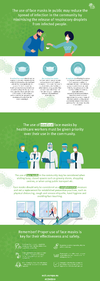
By 15 April the German Federal Ministry has agreed with the German States the guiding principle: "to protect all people in Germany as well as possible from the infection". In order to quickly identify infection chains in the future, carry out targeted tests, ensure full contact tracking and provide professional care for those affected, considerable additional personnel capacities are created in the local public health services, at least one team of 5 people per 20,000 inhabitants. Germany has a high test capacity of up to 650,000 tests a week to detect corona infections (PCR tests). The federal government secures additional test capacities for Germany by purchasing test equipment. [24].
Meanwhile, officials in the Netherlands express their doubt about the use of contact tracing, and advocate ‘controlled spread of the virus, to achieve group-immunity’. This point of view meets with opposition from outside the public sector, though this does not change the point of view for the remainder of the month. The formal national guidance states that source and contact tracing ‘have no priority’, and that contact tracing is to be restricted to contacts that could transmit COVID to high-risk groups.
ECDC Published Infographic CONTACT TRACING:
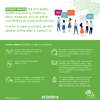 ECDC publishes the 9th Rapid Risk Assessment that includes public health objectives: "Limit and control virus circulation and transmission in the general population now (flattening the curve) and for the years to come to maintain the number of new SARS-CoV-2 infections at manageable levels for the healthcare system, and possibly allowing for gradual acquisition of population immunity."; this suggests that ECDC has given up the ambition of containment, and joins the member states that aim for group immunity, and 'controlled circulation'.
By the end of April, the WHO-IHR Emergency Committee met. The Committee unanimously agreed that the outbreak still constitutes a public health emergency of international concern (PHEIC) and offered advice to the Director-General, who declared that the outbreak of COVID-19 continues to constitute a PHEIC.
May - 6,028,628 cases
The pandemic spread generates growing awareness that deep economic recession may lie ahead. WHO and the European Investment Bank (EIB) will boost cooperation to strengthen public health, the supply of essential equipment, training, and investment in countries most vulnerable to the COVID-19 pandemic. The first phase will address urgent needs and strengthen primary health care in ten African countries.
More reports emerge about the correlation between a paediatric inflammatory multisystem syndrome and SARS-CoV-2 infection in children.
ECDC continues to publish valuable guidance to help countries prepare for contact tracing: "Contact tracing for COVID-19: current evidence, options for scale-up and an assessment of resources needed". Soon thereafter, WHO publishes their contact tracing guidelines. The response among EU countries varies. Germany had already stepped up their contact tracing strategy as well as capacity since mid-April,[25], while being very clear about their strategy: "to protect all people in Germany as well as possible from the infection".
Other countries, such as the Netherlands, still stated in their online COVID19 guidance that source tracing had no priority and that contact tracing was to be restricted to high-risk populations only. The Dutch parliament debated fiercely with the Prime-Minister Mark Rutte, to understand what the cabinet exactly meant with their strategy of 'maximum control'. The Prime-Minister refused to acknowledge that this was to be interpreted as 'maximum reduction of transmission'. The Prime-Minister responded "We, therefore, opt for maximum control, whereby the virus is kept under control as much as possible. If there are outbreaks, you will start containment." [26]
ECDC Publishes a 3rd update of the Technical Report "Infection prevention and control and preparedness for COVID-19 in healthcare settings - third update". ECDC also published a Rapid Risk Assessment: Paediatric inflammatory multisystem syndrome and SARS-CoV-2 infection in children.
As more EU countries consider relaxing the lockdown measures, especially allowing the airline industry to pick up speed again, ECDC publishes technical report “COVID-19 Aviation Health Safety Protocol: Guidance for the management of airline passengers in relation to the COVID-19 pandemic", and later, the technical reports “Considerations for travel-related measures to reduce spread of COVID-19 in the EU/EEA” and “Projected baselines of COVID-19 in the EU/EEA and the UK for assessing the impact of de-escalation of measures”
June - 10,273,424 cases
On 12 June, the Dutch Government decided that airline travel could commence operations as usual, based on scientific advice from the Dutch Ministry of Health.[27]
The Dutch Minister of Transport, Public Works and Water Management, together with the Minister for Public Health advise the Dutch parliament that Distancing measures in aeroplanes are not necessary, according to the Considerations on COVID9 by the Ministry of Health. The Considerations on COVID9 by the Ministry of Health do not seem to include such conclusion: on the contrary, they acknowledge that distancing is a key principle in COVID19 prevention. Yet, these considerations fail to include the most relevant conclusion by ECDC on travel-related COVID19 risk: no matter how many preventive measures you take, travel will always increase COVID19 risk. And the fewer measures, the higher the risk. The omission of distancing cannot be compensated by other measures. See also the Dutch Discussion on Public transport.
July - 17,298,074 cases
The global pandemic is still accelerating. This creates a new thread of confusion in public communication; the difference between 'new cases', 'epidemic growth', 'accelerated transmission', and 'exponential growth', may be commonplace for the numerically educated, yet these concepts are not always well understood.
Dr. Tedros says "We all want this to be over. But the hard reality is that this is far from over."
August - 25,275,762 cases
References
- ↑ China’s first confirmed Covid-19 case traced back to November 17. South China Morning Post. Josephine Ma. Published: 8:00am, 13 Mar, 2020
- ↑ The first COVID-19 case originated on November 17, according to Chinese officials searching for 'Patient Zero'. Business Insider. Isaac Scher 3/13/2020.
- ↑ Davidson, Helen (13 March 2020).|First Covid-19 case happened in November, China government records show – report. The Guardian. ISSN 0261-3077. Retrieved 15 March 2020.
- ↑ Walker, James (14 March 2020). China Traces Coronavirus to First Confirmed Case, Nearly Identifying 'Patient Zero'. Newsweek. Retrieved 14 March 2020.
- ↑ Wuhan seafood market may not be source of novel virus spreading globally. Science. By Jon Cohen. Jan. 26, 2020 , 11:25 PM
- ↑ Who is 'patient zero' in the coronavirus outbreak? BBC. By Fernando Duarte 24th February 2020
- ↑ Early Transmission Dynamics in Wuhan, China, of Novel Coronavirus–Infected Pneumonia. 29 January 2020; New England Journal of Medicine. vol0. doi=10.1056/NEJMoa2001316.pmid=31995857
- ↑ Chinese scientists identify the 'Wuhan Virus'. Screening continues on Thai-bound flights. access-date=8 February 2020
- ↑ Identification of a novel coronavirus causing severe pneumonia in human: a descriptive study. doi=10.1097/CM9.0000000000000722. pmid=32004165. Chinese Medical Journal. 11 February 2020
- ↑ Before Zhong Nanshan spoke, the doctor in Wuhan issued an outbreak alert to a nearby school. Wang Jiaxing. January 28, 2020
- ↑ An Outbreak of NCIP (2019-nCoV) Infection in China — Wuhan, Hubei Province, 2019−2020. 1 January 2020.China CDC Weekly. volume=2.issue=5;pages=79–80
- ↑ Chinese Coronavirus Whistleblower Li Wenliang Dies of the Disease – Caixin Global.
- ↑ The Chinese doctor who tried to warn about coronavirus. Link.
- ↑ China investigates SARS-like virus as dozens struck by pneumonia. 31 December 2019. Deutsche Welle
- ↑ Cite web|url=https://promedmail.org/promed-post/%7Ctitle=Promed Post – ProMED-mail|access-date=2020-02-08|archive-url=https://web.archive.org/web/20200205085608/https://promedmail.org/promed-post/%7Carchive-date=2020-02-05%7Curl-status=live
- ↑ The continuing epidemic threat of novel coronaviruses to global health – the latest novel coronavirus outbreak in Wuhan, China. International Journal of Infectious Diseases. volume=91|issue=|pages=264–266|doi=10.1016/j.ijid.2020.01.009|pmid=31953166|issn=1201-9712
- ↑ Pneumonia of Unknown Cause in China – Watch – Level 1, Practice Usual Precautions – Travel Health Notices. 6 January 2020
- ↑ Hong Kong takes emergency steps as a mystery 'pneumonia' infects 27 in Wuhan. 31 December 2019. South China Morning Post
- ↑ Pneumonia cases possibly associated with a novel coronavirus in Wuhan, China. ECDC. RRA. 9 January 2020
- ↑ National capacities review tool for a novel coronavirus. WHO technical guidance. 9 January 2020. Publication
- ↑ Roche deelt recept van vloeistof voor coronatests alsnog. NOS News. 27 March 2020
- ↑ Coronavirus: PM admitted to hospital over virus symptoms. BBC News. 6 April 2020.
- ↑ ECDC Technical Report. Using face masks in the community - Reducing COVID-19 transmission from potentially asymptomatic or pre-symptomatic people through the use of face masks.8 April 2020.
- ↑ Decision of the Chancellor's telephone switching conference with the heads of government of the federal states on April 15, 2020. Website of the German Federal Government. Accessed 20 April 2020
- ↑ Decision of the Chancellor's telephone switching conference with the heads of government of the federal states on April 15, 2020. Website of the German Federal Government. Accessed 20 April 2020
- ↑ Tweede Kamer, 73e vergadering. Woensdag 20 mei 2020 Plenair verslag. Status: gecorrigeerd.
- ↑ Kamerbrief Over COVID19 en Luchtvaart. 12 juni 2020


 ECDC publishes the 9th Rapid Risk Assessment that includes public health objectives: "Limit and control virus circulation and transmission in the general population now (flattening the curve) and for the years to come to maintain the number of new SARS-CoV-2 infections at manageable levels for the healthcare system, and possibly allowing for gradual acquisition of population immunity."; this suggests that ECDC has given up the ambition of containment, and joins the member states that aim for group immunity, and 'controlled circulation'.

